Iran war at six months - 6,000 seafarers still stranded in the Gulf
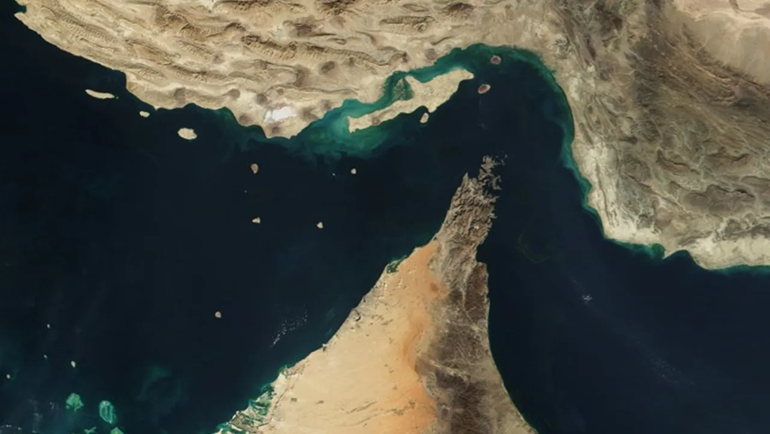
The initial conflict starting on 28 February resulted in
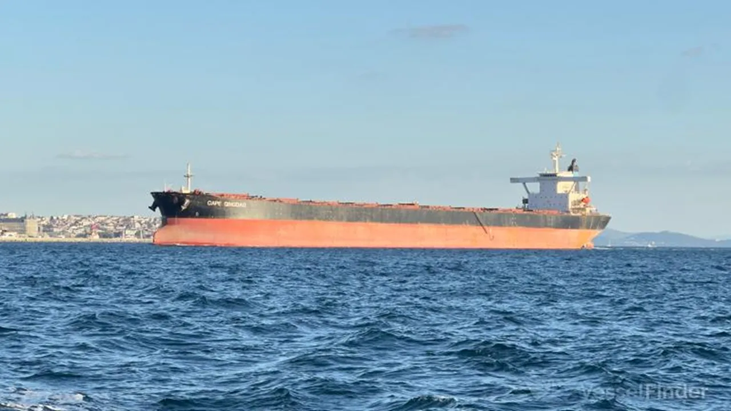
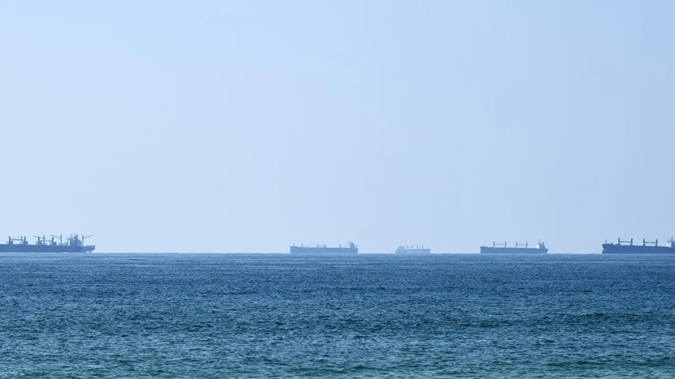
around 1,000 ships being left stranded in the Gulf with an estimated 20,000
crew on board as Iran move to take control of the Strait of Hormuz and
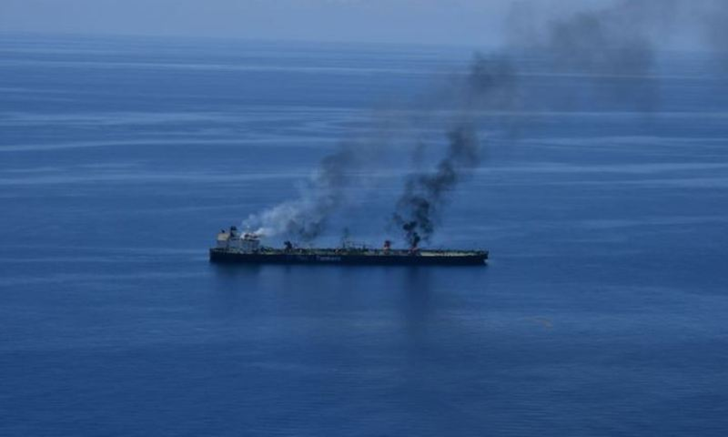
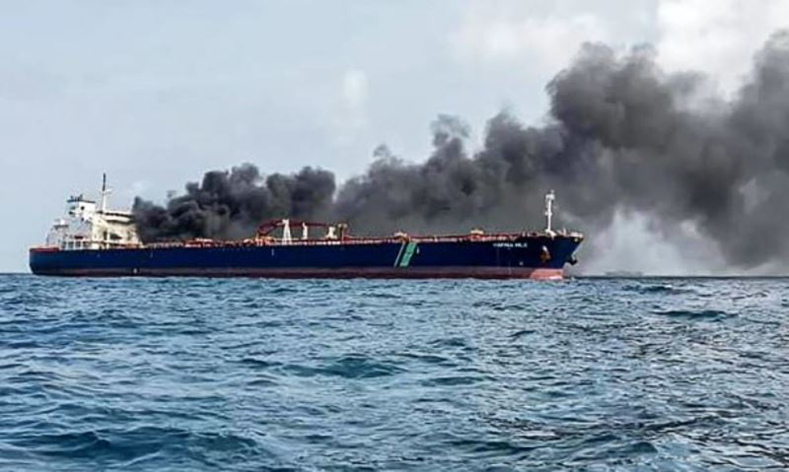
attacking commercial shipping. According to figures compiled by the International Maritime Organization (IMO) since the conflict began at least 70 commercial vessels have been attacked
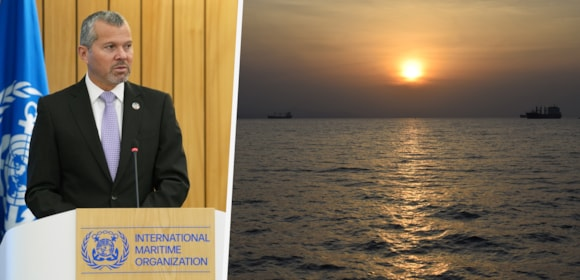
in the region resulting in the deaths of 19 seafarers. IMO Secretary-General said in a statement
on 28 August, “Six months since the conflict in the Middle East began, the
situation in the Strait of Hormuz is unresolved. Thousands of seafarers in the
region continue to live and work under conditions of heightened risk and
uncertainty. “While some ships and
their crews have been able to leave the Persian Gulf, up to 400 ships carrying
around 6,000 seafarers have been unable to depart safely since the conflict
began.” An IMO safe evacuation plan was in operation for a brief period around
24 - 26 June before it was suspended when Iran struck the Singapore-flagged
container shipEver Lovely in the Strait. “In July, the IMO
Council adopted a resolution on the protection of vital shipping lanes,
reaffirming that the right of transit passage through straits used for
international navigation must not be threatened, impeded, denied, hampered,
impaired or suspended. It called for a coordinated and sustainable return to
unhindered navigation through the Strait of Hormuz,” Dominguez said. However, this has not happened with at
least two vessels attacked this week alone, and traffic volumes through the
waterway remain greatly reduced as Iran continues to ships attempting to
transit the Strait without its authorisation. “I call on all Member States and
the shipping industry to work together with IMO and the wider United Nations
system, to advance practical solutions to restore the freedom of navigation
through the Strait,” the Secretary-General said.

Related News