




Tamil Nadu Announces Semiconductor Park in Kancheepuram, Multimodal Logistics Hub in Tiruchy
Making the
announcements in the Assembly under Rule 110, Vijay said the semiconductor and
electronics park would be developed to attract investments and increase Tamil
Nadu’s share in the semiconductor and electronics manufacturing sector. The
park will be implemented by the State Industries Promotion Corporation of Tamil
Nadu (SIPCOT) at an estimated cost of ₹175 crore. It is expected to attract
around ₹2,000 crore in investments and generate nearly 5,000 direct and indirect
employment opportunities. A world-class
research and development facility will also be established within the park to
support the development of new industries in the semiconductor sector, the
Chief Minister said. The government
will additionally establish a digital finance centre in Coimbatore to promote
digital financial services and fintech innovation. The Tamil Nadu Industrial
Development Corporation (TIDCO) will develop the centre through a
public-private partnership at an estimated cost of ₹400 crore. The proposed fintech hub will include office
spaces for start-ups, modern laboratories, training and skill-development
facilities, and other supporting infrastructure. The project is expected to
attract global investments in the finance and fintech sectors while promoting
the adoption of emerging technologies and creating high-quality jobs.
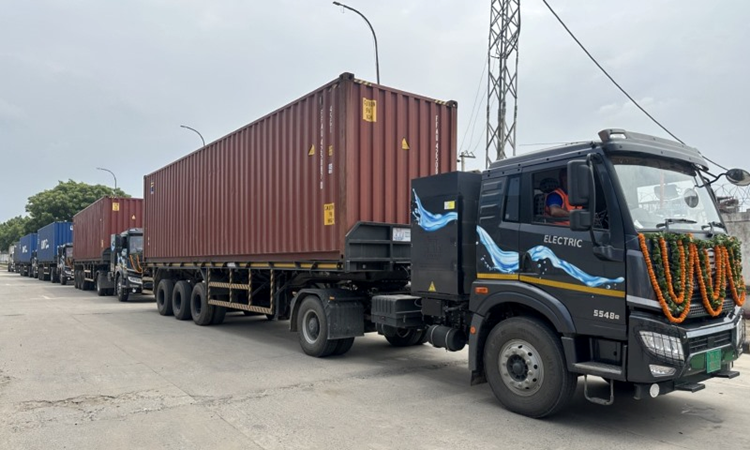
On logistics infrastructure, Vijay said the 2026-27
State Budget had proposed the development of multi-modal logistics parks and
dry ports at strategic locations across Tamil Nadu to attract investments and
strengthen the state’s logistics network.
Highlighting Tiruchy and
neighbouring districts as important manufacturing centres with a strong
presence of major industries and micro, small and medium enterprises (MSMEs),
the Chief Minister said TIDCO had conducted a study and prepared a project
report for the region. “Based on its findings, a multi-modal logistics hub will
be established in the Tiruchy region,” Vijay said.
The proposed hub is
expected to strengthen cargo handling and evacuation capabilities in the region
while improving connectivity between manufacturing clusters, logistics
infrastructure and wider markets.
Related News