

Indian Railways Approves ₹15,976 Crore Freight Line Projects under HAM Model
The six projects, cleared by the Public Private
Partnership Appraisal Committee (PPPAC) under the Ministry of Finance, will
cover approximately 647 km of railway lines across Odisha, Telangana and
Jharkhand. Under the HAM framework, Indian Railways will fund 40% of the project
cost during the construction phase, while the private developer will finance
the remaining 60%. The private investment will subsequently be repaid through
instalments along with interest after the railway lines become operational. In
addition to the capital repayment, Railways will make regular payments to the
private partner for the operation and maintenance of stations, tracks and other
project assets. Unlike a
conventional private railway concession, however, Indian Railways will operate
the trains and retain the freight revenue generated from the lines. It will
also bear the traffic and revenue risk, ensuring that the private developer is
not adversely affected if actual freight volumes fall below projections. The HAM structure has already been widely
used in India’s highway sector, where it enables the government and private
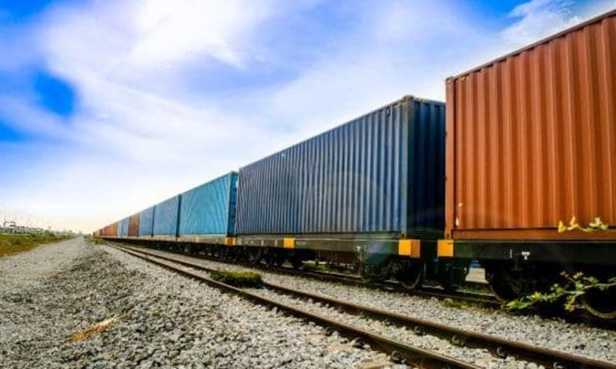
sector to share project financing and construction risks. Of the six approved freight lines,
four are located in Odisha, while the remaining two are in Telangana and
Jharkhand. The routes are primarily designed to facilitate the movement of
coal, along with iron ore, cement, foodgrains and chemical fertilisers. The
projects have a combined estimated capital cost of around ₹40,866 crore over
their 17–19-year concession periods. The proposals will now require final
approval from the Union Cabinet before implementation. The government is
expected to invite bids during FY 2027-28, with construction targeted to
commence from April 2028.
The move represents
a significant shift in Indian Railways’ approach to infrastructure financing,
opening the door for greater private-sector participation while allowing the
national transporter to retain operational control and freight revenue.
Related News