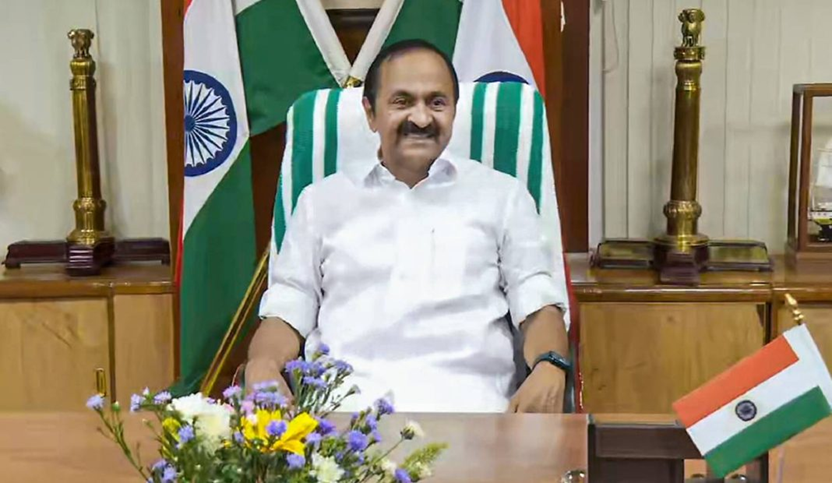
Kerala Launches ‘Mission Samudra’ to Build Global Maritime Hub; June 19 Declared Kerala Maritime Day
The announcements
were made at the valedictory function of the World Maritime Day celebrations in
Kochi. The Mission Samudra programme, which received an initial allocation of
₹400 crore in the 2026-27 State Budget, seeks to integrate Kerala’s ports,
coastline, waterways, logistics infrastructure and economic centres into a
unified maritime growth framework.
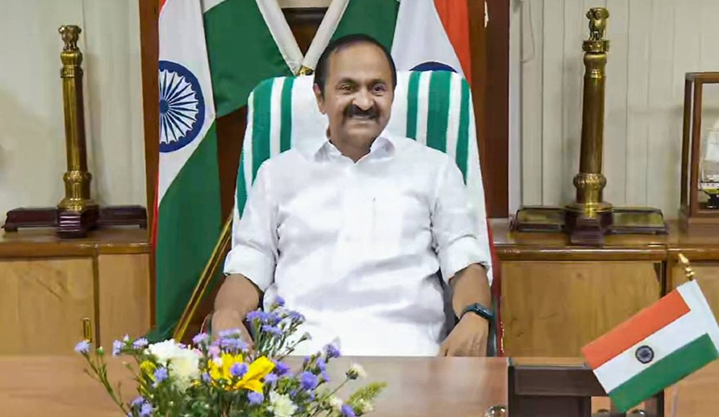
Satheesan announced plans to establish an Admiralty Court in Kochi to
handle maritime law disputes and arbitration. The state also proposes to
establish a maritime academy focusing on maritime law, maritime history,
logistics and insurance. Calling
Mission Samudra his “big dream for Kerala” and a “loving gift” to future
generations, the Chief Minister said the sea should be viewed as a gateway to
economic opportunity rather than a boundary. He highlighted Kerala’s nearly
600-km coastline, centuries-old maritime history and the historic Muziris trade
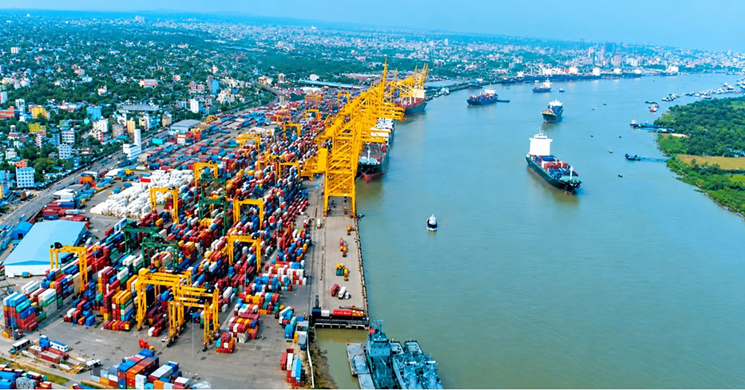
links as foundations for a stronger maritime economy. The mission envisages linking Kerala’s two
international ports, 18 mini ports, including the inland port at Kottayam, and
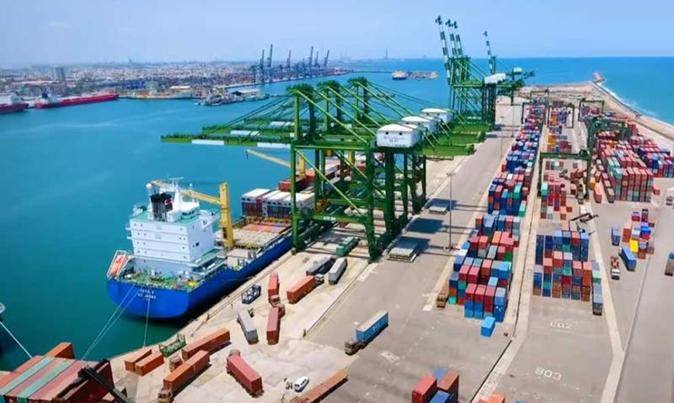
container stations with road, rail and inland-waterway networks. The commissioning and expansion of Vizhinjam
International Seaport is expected to strengthen Kerala’s position in global
shipping and attract large mother vessels. Satheesan said the state would seek
to capture a greater share of business currently concentrated at major regional
transshipment centres such as Singapore and Colombo. The government plans to promote logistics,
containerisation and the blue economy, with greater emphasis on adding value to
Kerala’s agricultural and marine products, including rubber, coconut, spices
and seafood, and expanding export opportunities. The Chief Minister also said
shifting more cargo movement from roads to waterways could substantially reduce
road congestion. Mission Samudra also
includes an extensive maritime tourism programme. Cruise terminals are proposed
at Kochi and Kozhikode, with plans for cruise services connecting Kochi with
Dubai and Goa and linking destinations along Kerala’s coastline. The proposed cruise network is also
expected to connect with the state’s 44 rivers and four international airports,
creating an integrated network for coastal, river and tourism-based passenger
movement. The government plans to
establish an international convention centre near Cochin Port and significantly
expand air-cargo infrastructure. The cargo-handling capacity of Cochin
International Airport is proposed to be increased from 1.25 lakh tonnes to five
lakh tonnes. Other major projects
announced under the broader maritime vision include plans for India’s first
oceanarium and an international-standard maritime museum in Kochi, aimed at
promoting marine tourism while showcasing Kerala’s maritime heritage. The state will also introduce an annual
Maritime Conclave bringing together foreign investors and stakeholders from the
maritime sector. A system of annual reporting on investments attracted, project
progress and employment generated is proposed to track the implementation and
economic impact of Mission Samudra.
The initiative is intended to extend beyond port development by linking
Kerala’s maritime infrastructure with industries, logistics networks, inland
waterways, tourism, fisheries, maritime education and other emerging
sectors. With Vizhinjam emerging as a
key transshipment gateway and Kochi continuing as a major maritime centre, the
state government is seeking to use Mission Samudra to connect Kerala’s coastal
and inland economies more closely with global trade.
Related News