Shipping Lines Hail US Lifting of 12-Year Restriction on Nigerian Ports
The lifting of the restriction was announced by the
Minister of Marine and Blue Economy, Dr Adegboyega Oyetola, in August. The shipping companies said the decision
reflected growing confidence in the security of Nigeria’s maritime environment
and could pave the way for increased direct trade and shipping services between
Nigeria and the United States. For
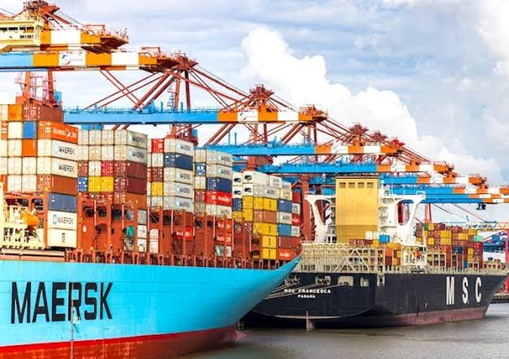
Mediterranean Shipping Company (MSC), the world’s largest container shipping
line, the restriction had created operational challenges, including additional
transshipment arrangements for cargoes destined for the United States. MSC Vessel and Terminal Coordinator, Adesina
Omoparuwa, said the company, which calls at major ports across the world, had
been affected by delays associated with the restriction. “Because of this restriction, we had to do
some transshipments. We did not have direct services to the US like we have now
in China. Basically, the China service that we have now, we did not have
before. We had to go through transshipment ports. But now, with this
development, it will give us more direct service from the US and opportunities
for people doing business from the US to come directly down to Nigeria,” he
said. Maersk, the world’s
second-largest shipping line, also described the decision as a welcome
development, saying it would strengthen Nigeria’s position in global shipping
and create a more favourable environment for importers, exporters and shipping
companies. Maersk Terminal Planning
Lead, Srijesh Subramanian, said the removal of the restriction would facilitate
trade while giving shipping companies greater confidence to consider future
expansion. “This is a welcome move
which will enable better trade both for the importers as well as the exporters
because we have quite a lot of exports going on, lots of Nigerians in the US,”
he said. “Shipping companies will be a
little more bold in their expansion plans for the future. With the US removal
of the Condition of Entry, it is saying that Nigeria looks more like a safer
environment than previously perceived.”
Subramanian urged the relevant authorities to sustain the security
improvements that led to the lifting of the restriction, saying continued
progress would be critical to maintaining international confidence in Nigeria’s
maritime sector.
The Nigeria Director of Ocean Network Express (ONE),
Stefan Pedersen, also congratulated the Federal Government, saying the
development should make direct trade between Nigeria and the United States
easier. “I’m certain that it would make
direct trade with the US through the ports easier. When restrictions go away,
it usually improves trade, so for our colleagues in the industry that have
direct sailings to the US, it’s going to make it easier,” he said. Pacific International Lines (PIL) equally
welcomed the development, describing it as a significant boost to Nigeria’s
image as a maritime nation committed to international security standards. PIL Nigeria Managing Director, Ugo Opiah,
said the decision demonstrated that Nigeria had made progress in strengthening
security across its maritime domain. “I think it’s a very good one in terms of
the image. Of course, the US is categorised as one of, let’s say, the big
brothers of the world, and most times if you do qualify for things that concern
the US, then you are seen as a high-integrity player. “So for Nigeria, with
this being lifted after the number of years that it had been on us, it does
give a good sign that we have upped our game in terms of anything to do with
security in the maritime industry,” he said.
The lifting of the Condition of Entry applies to vessels that have
visited Nigerian ports within their last five port calls and are subsequently
destined for the United States. It brings to an end a 12-year regime of
enhanced security requirements for such vessels. The decision marks a significant milestone
in Nigeria’s efforts to strengthen maritime security, improve the efficiency
and competitiveness of its ports and restore confidence in the country as a
secure and reliable destination for international shipping. For shipping operators, the development
could also translate into fewer operational constraints, greater scope for
direct services and improved opportunities for expanding Nigeria-US trade by
sea.

Related News