Ports Move into Empty Container Depot Business as Empty Box Volumes Surge
Dubai-based RSA
Global is set to operationalise the first phase of a 62-acre empty container
yard at Jawaharlal Nehru Port (JN Port), following a 30-year licence from the
Jawaharlal Nehru Port Authority (JNPA). The ₹2,580-crore project, billed as
India’s largest empty container yard, will initially utilise 20 acres and is
planned to reach a capacity of 25,000 TEUs within two years and 1 lakh TEUs
within five years. JN Port handles
around 1.6 million TEUs of empty EXIM containers annually, accounting for
nearly 18% of its total throughput of about 8.2 million TEUs. The RSA facility
will provide storage, maintenance and repair, inspection, SOLAS weighment,
repositioning, CFS transfers and other services, with automated storage and
retrieval systems planned for part of the facility. The move follows similar initiatives at
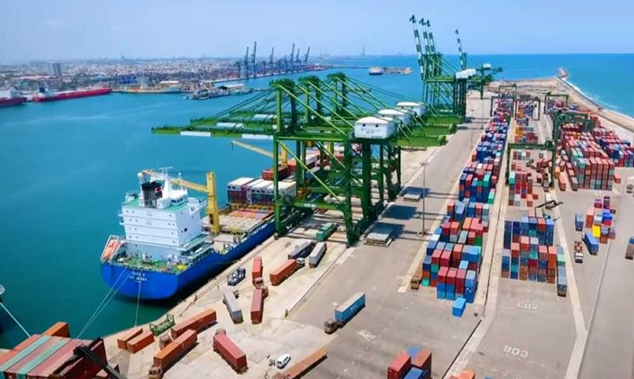
other major ports. At Chennai, PSA International has begun operating a
10,000-sq-metre empty container yard near its terminal, while Chennai Port
Authority has offered additional land for PSA and DP World to develop empty
depots. The objective is to free terminal yard space for laden containers and
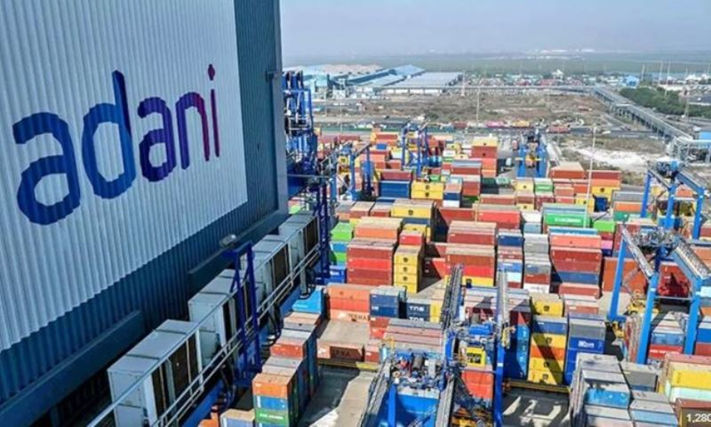
reduce last-minute movement of empty boxes through congested port roads. Adani Ports and Special Economic Zone
(APSEZ) has also launched a dedicated empty container yard at Mundra Port,
covering storage, maintenance, inspection and movement of empty containers.
APSEZ has announced charges of ₹5,000 for 20-foot and ₹9,000 for 40-foot
containers for empty pick-up/drop-off services, with 30 days of free storage
followed by daily storage charges. The
emerging model marks a shift from the traditional system under which shipping
lines have largely relied on privately operated empty depots, often without
direct storage charges. Depot operators typically earn from lift-on/lift-off
services paid by transporters handling containers for exporters. Trade sources estimate that empty depots
around JN Port and Mundra generate substantial revenues, although allegations
have been made regarding unaccounted payments and informal arrangements
involving the existing system. Port authorities and terminal operators are now
seeking to bring greater regulation, transparency and efficiency to the
segment. At JN Port, around 74 empty
container yards operate in the surrounding areas, of which about 60 are
currently active for various shipping lines. Most are located on private or CIDCO
land and, according to trade sources, operate outside a formal JNPA-approved
framework. RSA Global said shipping
lines would eventually be charged for storage as the facility scales up, with
pricing expected to reflect investment and service levels. The company said the
objective is also to reduce excess empty-container inventory and improve
efficiency across the ecosystem. JNPA
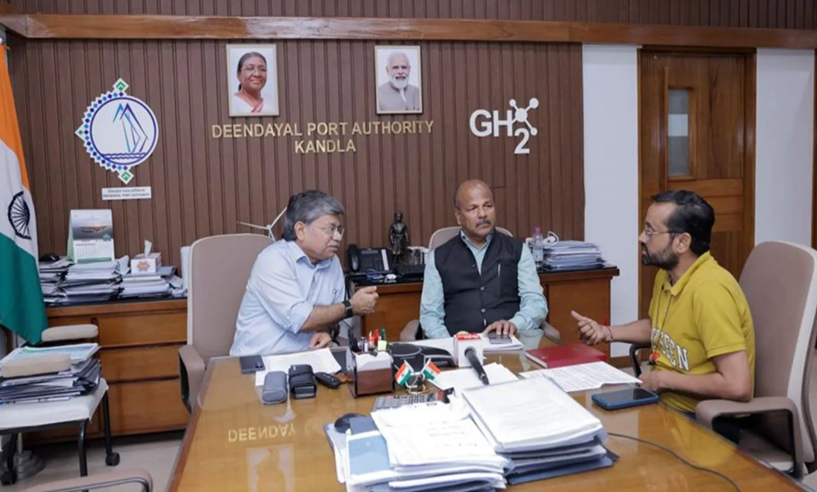
Deputy Chairman Ravish Kumar said the port sees potential in the business but
faces land constraints. The authority is exploring the use of distant land
parcels within its territory for additional empty-container facilities.
With empty containers accounting for a
significant share of port traffic and terminal space increasingly valuable,
port authorities are now looking at dedicated empty depots as a means of
reducing congestion, improving asset utilisation and lowering logistics costs.
However, industry sources expect greater regulation of the existing network of
private empty depots as organised port-led facilities expand.
Related News