PM Modi Urges Stronger Rules-Based Framework for Global Shipping
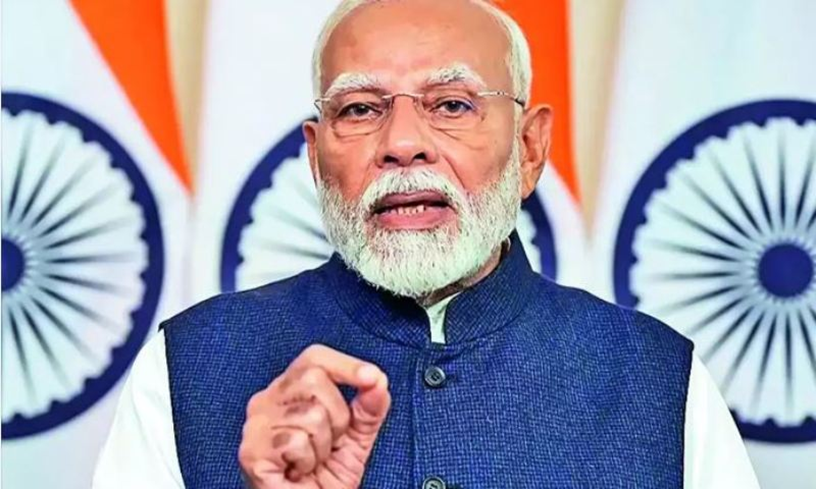
Addressing the challenges facing international maritime transport, Modi
stressed the need for countries to work together to maintain secure and
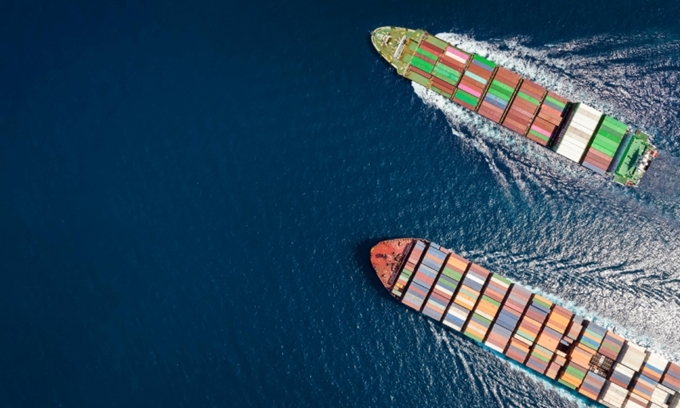
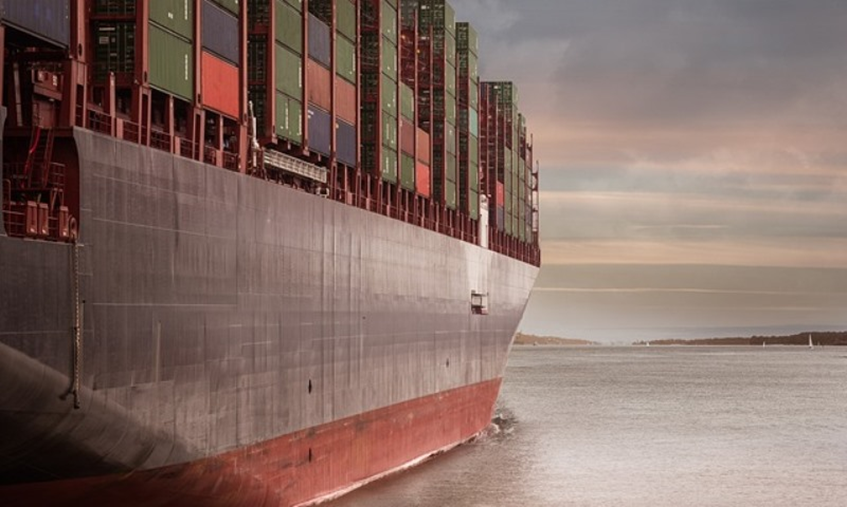
reliable sea routes. Shipping carries the majority of global merchandise trade,
making stability across major maritime corridors critical for exporters,
importers and supply chains. The call
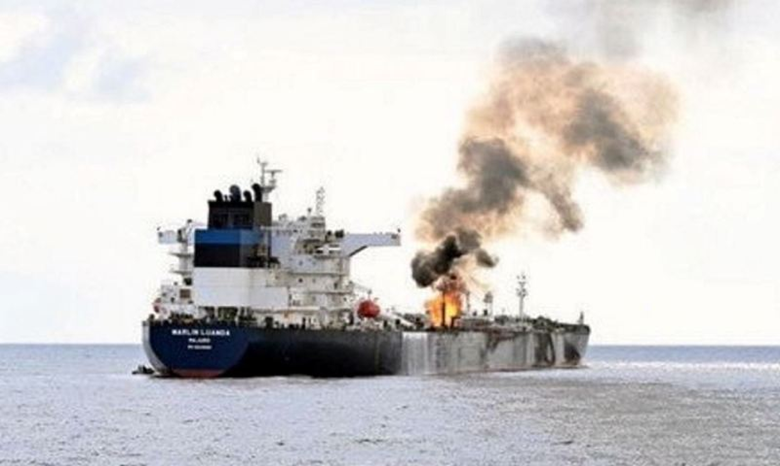
comes as the shipping industry continues to face disruptions caused by
geopolitical tensions, conflicts, changing trade policies and security concerns
along key routes. Such disruptions can lead to longer transit times, higher
freight and insurance costs, and uncertainty for businesses dependent on
international trade. A transparent
and rules-based maritime framework can help countries address these challenges
through greater cooperation and adherence to established international norms.
It can also support freedom of navigation and the uninterrupted movement of
commercial vessels. For India,
maritime connectivity is particularly important as the country seeks to expand
its role in global trade and strengthen its ports, shipping and logistics
infrastructure. Reliable sea routes are essential for supporting India’s
growing exports and imports across energy, manufacturing, agriculture and other
sectors. India has also been
investing in port capacity, multimodal connectivity and maritime infrastructure
as part of its broader efforts to improve logistics efficiency and strengthen
its position in global supply chains.
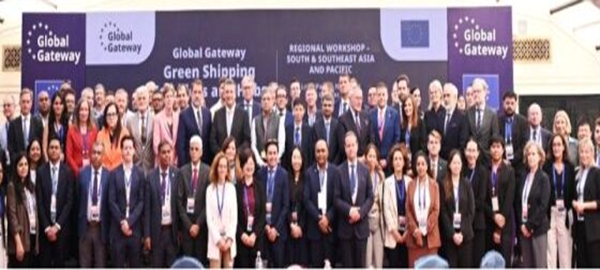
The Prime Minister’s remarks underline the need for international
cooperation at a time when shipping routes are increasingly being affected by
geopolitical and operational risks. Greater coordination among maritime nations
could help improve resilience and reduce disruptions to global trade.
The emphasis on a rules-based maritime order is expected to remain an
important part of discussions on the future of international shipping,
particularly as the industry seeks to balance trade growth, security,
sustainability and supply-chain resilience.
Related News