India’s Logistics Sector Targets $600 Billion by FY32, Says DPIIT Official
The projection highlights
the growing importance of logistics in supporting India’s manufacturing,
exports and overall economic expansion. Efficient transportation, warehousing
and supply chain management are increasingly critical as the country seeks to
strengthen its position in global trade.
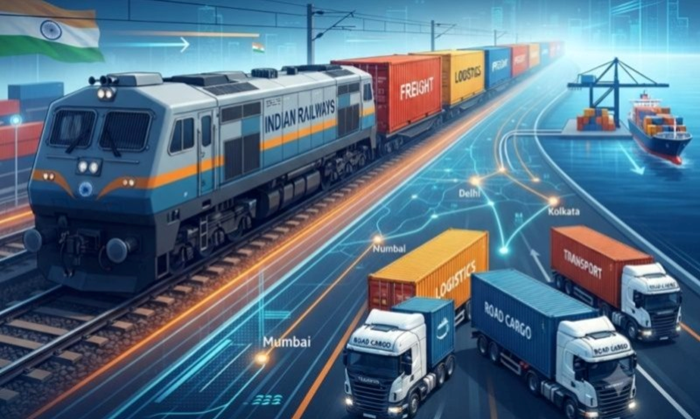
India has been investing in infrastructure development to improve
freight movement and reduce logistics bottlenecks. Initiatives such as the PM
Gati Shakti National Master Plan, the National Logistics Policy, dedicated
freight corridors, multimodal logistics parks and port modernisation projects
are aimed at improving connectivity and operational efficiency. Reducing logistics costs remains a key
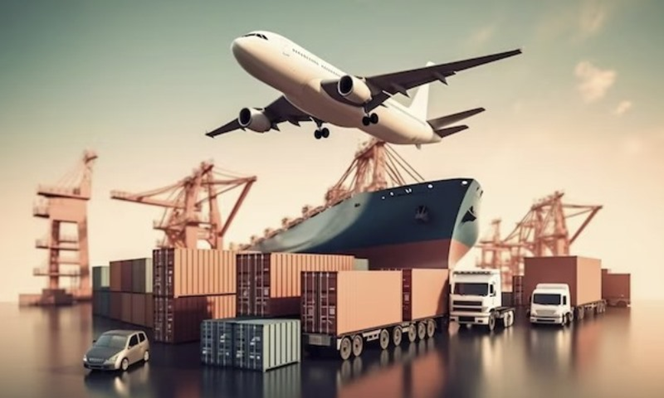
priority for improving the competitiveness of Indian exporters. Better integration
of road, rail, coastal shipping and inland waterways can help lower
transportation expenses, reduce transit times and improve cargo handling
efficiency. The expansion of digital
logistics systems, greater use of data-driven operations and improved warehousing
infrastructure are also expected to support sectoral growth. These improvements
could help businesses manage inventory more effectively and strengthen supply
chain reliability. For exporters and
importers, lower logistics costs and more predictable cargo movement would
improve access to international markets and support India’s ambition to
increase merchandise and services exports.
Achieving the
projected $600 billion market size by FY2031–32 will depend on sustained
infrastructure investment, regulatory coordination, technology adoption and
greater participation from private logistics operators.

Related News