MISC to Add Five More LNG Carriers for Petronas
The planned
additions highlight the continuing demand for specialised LNG transportation
capacity as global energy companies seek reliable shipping arrangements to move
natural gas to international markets.
LNG carriers are purpose-built vessels designed to transport natural gas
in liquid form at extremely low temperatures. Their availability is essential
to maintaining dependable supply chains, particularly as international LNG
trade serves power generation, industrial consumption and other energy needs
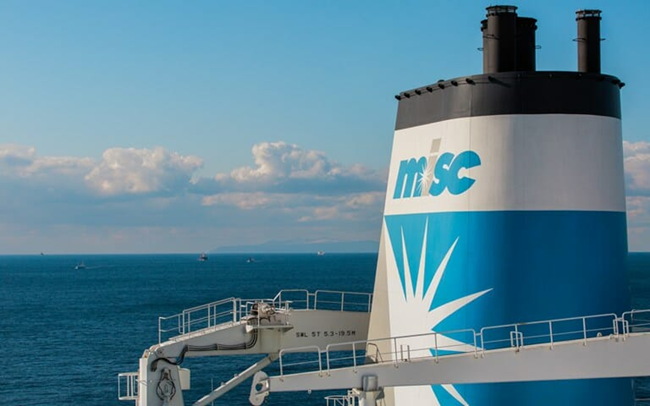
across multiple regions. For MISC,
the additional vessels would further reinforce its position in the LNG shipping
sector and deepen its long-standing relationship with Petronas, Malaysia’s
national energy company. Dedicated shipping capacity can help energy producers
coordinate vessel availability with liquefaction schedules, export commitments
and delivery requirements. The
development also reflects the broader importance of LNG shipping in global
energy logistics. Demand for modern carriers, long-term charter arrangements
and dependable maritime transportation continues to shape investment decisions
across the industry. However, details
such as the vessels’ construction schedule, shipyard arrangements, delivery
dates and contractual terms will be important in determining the timing and
operational impact of the planned expansion.
The addition of
five more LNG carriers would represent a further step in strengthening the
shipping capacity available to Petronas while supporting MISC’s position in the
specialised gas transportation market.
Related News