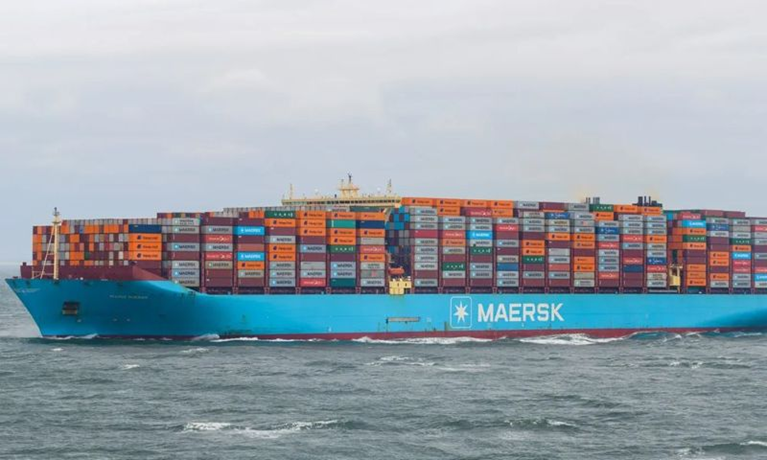
Maersk Raises Fuel Fees on US Inland Shipments
The surcharge
revision affects the inland transportation segment of the supply chain, where
fuel costs are a key component of operating expenses. Such adjustments can
influence the overall cost of moving containers between ports, rail terminals,
distribution centres and inland destinations. Fuel surcharges are commonly used by
shipping lines and logistics providers to reflect changes in energy costs
associated with transportation services. Depending on the applicable service
and tariff conditions, these charges may vary by route, equipment type and
shipment requirements. For importers, exporters and freight
forwarders, changes in inland fuel fees can affect total logistics budgets,
particularly for shipments requiring long-distance trucking or other inland
transport services across the US.
Maersk’s inland network connects ocean freight services with land-based
transportation, enabling customers to coordinate cargo movement beyond port
terminals. Adjustments to transportation-related charges form part of the
broader cost considerations faced by businesses managing international supply
chains. Shippers using Maersk’s US
inland services should review the applicable surcharge notices to confirm the
effective date, affected services, routes and revised rates. The specific
increase and implementation details were not provided in the headline.
The change
highlights the importance of monitoring additional transportation charges when
planning shipments and calculating end-to-end logistics costs.
Related News