Duty-Free Cotton Imports May Continue Through December as Crop Outlook Weakens
An extension could ease mills’
procurement costs, although traders have warned that additional imports during
the domestic harvest could put pressure on farmers’ prices. Duty-free cotton imports could remain
available for another two months as the Centre considers extending the current
exemption through December, amid expectations of lower production in the
2026–27 season. Government and
industry sources indicated on 26 October that an order was expected following
inter-ministerial consultations. The proposed extension had not been confirmed
through a notification in the material available for this report. The existing arrangement removes the 11%
customs duty on cotton imports. Continuing it would give textile manufacturers
more time to procure overseas supplies while assessing the size and quality of
the domestic harvest. For mills
placing international orders, the final notification will be important because
its effective dates and conditions determine which consignments qualify.
Procurement commitments and shipping arrangements will need to reflect those
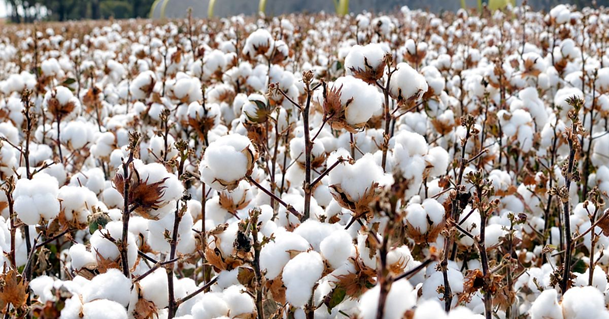
provisions. Trade estimates place
production at around 29 million bales in the season that began in October, with
deficient rainfall and high temperatures affecting several growing regions. An
Indian cotton bale weighs 170 kilograms.
Industry representatives have
indicated declines across Maharashtra, Gujarat, Telangana, Andhra Pradesh and
Karnataka. However, these are preliminary assessments rather than a final
production outcome, with subsequent weather and picking conditions still capable
of changing supplies. Some traders
have questioned the need for an extended exemption, arguing that Cotton
Corporation of India stocks could help meet immediate requirements. Their
concern is that imported cotton arriving alongside new-season domestic supplies
could weaken prices received by growers.
The policy decision therefore involves balancing manufacturers’
raw-material requirements against farm incomes during the marketing season. The government announced the present duty
exemption on 30 May, making it effective from 1 June to 31 October 2026. The textiles ministry described the
measure as an off-season intervention intended to improve cotton availability,
moderate input costs and support textile MSMEs. It also emphasised maintaining
market stability and safeguarding farmers’ interests. Extending the window into November and
December would carry the measure into the domestic crop-arrival period. That
timing explains the differing positions of mills seeking competitively priced
supplies and growers concerned about competition from imports. For manufacturers, more sourcing
flexibility can help production planning. For farmers, the critical issue is
how overseas arrivals interact with local purchasing demand. Removing customs duty does not guarantee
that imported cotton will be the cheapest available option. International
prices, ocean freight and the rupee’s exchange rate also influence the landed
cost. Elevated freight charges and
currency weakness could limit the appeal of overseas purchases even if the
exemption continues. For logistics
providers, any additional business will depend on actual purchase contracts and
shipment schedules. The proposed policy change does not establish an
import-volume commitment or guarantee higher cargo throughput at particular
ports. Mills will also need to
consider delivery timing, inland transport, storage and working capital. A
favourable purchase price can lose part of its advantage if cargo arrives late
or requires prolonged inventory holding.
Alongside temporary import measures, India is pursuing domestic supply
improvements through the Mission for Cotton Productivity. Approved in May 2026 with an outlay of
₹5,659.22 crore for 2026–27 to 2030–31, the programme supports higher-yielding,
climate-resilient and pest-resistant seeds, improved cultivation methods and
stronger processing standards. Its
scope includes modernising ginning facilities, expanding testing infrastructure
and improving traceability through Kasturi Cotton Bharat. Initial
implementation is intended to cover 140 districts across 14 states and 2,000
ginning or processing factories.
These interventions address
structural productivity and quality constraints over several years. The
immediate decision on duty-free imports concerns how mills bridge near-term
requirements while the new harvest develops. Confirmation of the extension,
updated crop assessments and actual import quotations will shape purchasing
decisions over the coming weeks.
Related News