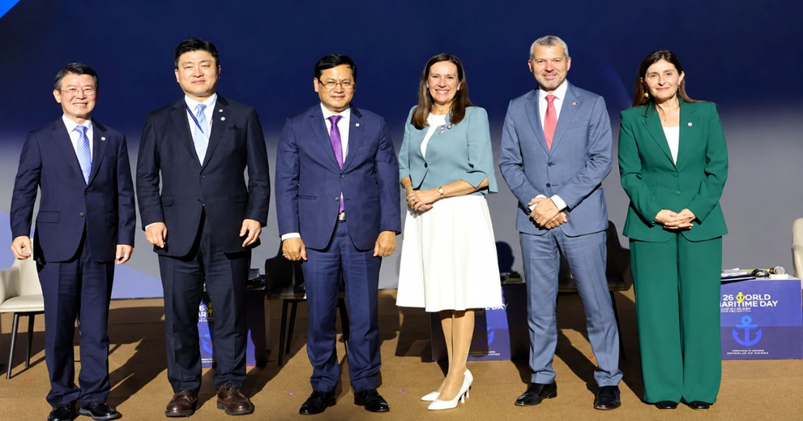
India–Korea Maritime Cooperation Targets Equipment Investment and Practical Global Rules
India–Korea maritime
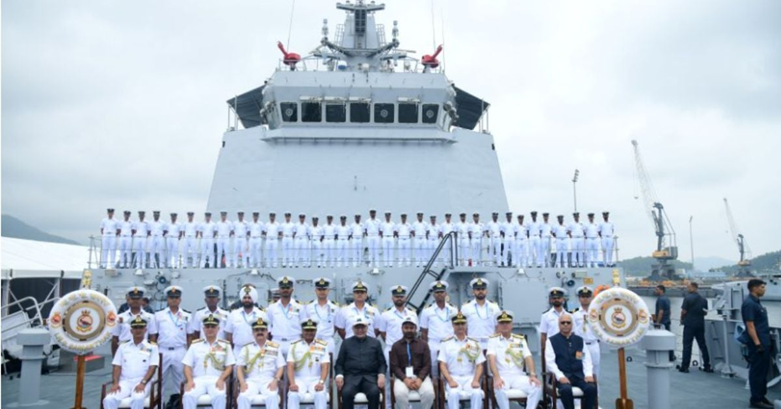
cooperation gained further momentum in Busan as Union Minister for Ports,
Shipping and Waterways SarbanandaSonowal combined an investment pitch to Korean
suppliers with a call for more effective international regulatory
cooperation. At a World Maritime Day
ministerial roundtable, Sonowal said global maritime standards should remain
ambitious and universal, while implementation arrangements recognise
differences in development, technological readiness and access to finance. He cited the principle of common but
differentiated responsibilities and respective capabilities, arguing that
cooperation should enable every country to meet shared objectives. “The objective should therefore be common
standards and outcomes, supported by cooperation that enables every Member
State to implement them effectively,” he said. The discussion included International
Maritime Organization Secretary-General Arsenio Dominguez and ministerial
representatives from South Korea, Norway and Cyprus. Former South Korean oceans
and fisheries minister Moon Seong-hyeok chaired the session. Sonowal proposed practical partnerships
between countries with experience implementing maritime conventions and those
still developing the necessary institutions.
Joint working groups could support the training of surveyors and
inspectors, preparation of domestic legislation and development of
implementation schedules. He emphasised that assistance should create lasting
national expertise. His remarks
placed regulatory cooperation in the context of geopolitical instability,
piracy and disruption in the Red Sea, highlighting the importance of maritime
conventions for seafarer protection and dependable trade. Setting out India’s progress, the minister
said five maritime laws enacted in 2025 had taken effect in March 2026. He also
said India’s Maritime Single Window covered 69 ports and terminals, while 115
recycling facilities at Alang-Sosiya complied with the Hong Kong
Convention. In a separate meeting
with the Korea Marine Equipment Association, or KOMEA, Sonowal sought
investment in the machinery and systems required by Indian shipyards. He identified engines, propulsion
equipment, deck machinery, electrical systems and navigation technology as
areas where local manufacturing could expand. Much of this high-value equipment
is currently imported, he said. The
minister presented joint ventures, licensing arrangements and independently
owned factories as possible routes for Korean companies to establish an Indian
presence. He said the ministry would assist firms seeking to enter the
market. Founded in 1980, KOMEA
represents 304 businesses spanning marine equipment, design, shipbuilding and
repair. Its membership includes HD Hyundai, Hanwha Ocean and Samsung Heavy
Industries. KOMEA plans to open its
first Indian office in Mumbai on 30 October, creating a local platform for
engagement with shipyards, suppliers and prospective partners. The initiative forms part of the wider
cooperation pursued under VOYAGES, the bilateral framework covering
shipbuilding, shipping and maritime logistics.
KOMEA had previously offered cooperation
in vessel design, yard modernisation, technology transfer, education and
domestic production of marine equipment and spares. Association chairmanHo-il Kang said member
companies had begun preparing to enter India within the next two years. Representatives
from SB Sunbo, Daeyang, KASEMEC and JO Engineering were among those discussing
potential investment. These
discussions indicate industry interest, although the announcement did not
identify completed investment commitments or factory commissioning
schedules. Sonowal pointed to India’s
approximately $7.8 billion shipbuilding package approved in September 2025 as
evidence of policy support for the sector.
He reported year-on-year shipbuilding output growth of 40% in 2025 and
more than 80% in 2026. The figures were presented without a detailed breakdown
of the measurement basis or the 2026 reporting period. The minister said the pipeline receiving
direct government assistance comprised more than 120 vessels worth over $1.27
billion, with export orders accounting for over 80% of the value. Separately, the ministry has aggregated
prospective government demand exceeding 400 vessels, valued at approximately
$23 billion over ten years. This provides potential order visibility rather
than confirmation that all contracts have been awarded.
For Korean suppliers, the
opportunity lies in serving both new vessel construction and India’s developing
marine equipment ecosystem. Converting that opportunity into production will
require commercial agreements, technology arrangements and dependable demand
from participating shipyards.
Related News