RELIEF Export Support Extended to March 2027 amid West Asia DisruptionsRELIEF Export Support Extended to March 2027 amid West Asia Disruptions
The RELIEF export support
initiative will continue offering eligible exporters enhanced insurance
protection under Component II until 31 March 2027, following an extension
notified by the Department of Commerce.
Notification No. 37/2026-27, dated 30 September 2026, extends the
component’s eligibility and validity timelines. The measure was reiterated in
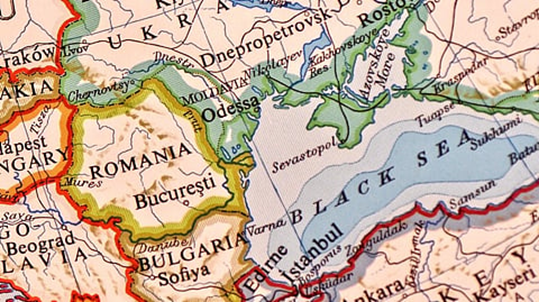
the department’s announcement on 26 October, as disruption across West Asian
maritime corridors continued to affect export operations. RELIEF—Resilience & Logistics
Intervention for Export Facilitation—operates under the Export Promotion
Mission. Launched on 19 March 2026, it addresses exceptional freight
escalation, increased insurance premiums and war-related export risks. The latest extension specifically concerns
Component II, which encourages exporters to obtain ECGC protection for upcoming
shipments to designated markets.
Component II provides enhanced compensation of up to 95% of eligible
losses arising from war-related and associated political risks, subject to
policy conditions and verification.
Eligible exporters taking standalone or whole-turnover policies on or
after 16 March 2026 can access the support under the prescribed conditions. Premiums
payable by qualifying exporters are protected against increases beyond
pre-disruption levels during the eligible period. The distinction between risk coverage and
cost reimbursement is important. The 95% provision concerns compensation for
qualifying insured losses; it does not represent reimbursement of 95% of
freight charges or every additional logistics expense. ECGC’s framework provides a government
backstop for compensation exceeding its normal policy liability, helping
maintain enhanced protection without passing the full additional risk cost to
exporters. The covered cargo
categories include full container load, less than container load and
refrigerated container shipments. Energy shipments are excluded. Designated destinations and transshipment
countries listed in the scheme’s guidance include the UAE, Saudi Arabia,
Kuwait, Qatar, Oman, Bahrain, Iraq, Iran, Israel, Yemen, Egypt and Jordan. This coverage makes the intervention
relevant to businesses using different container shipment formats, including
exporters consolidating smaller consignments and those requiring
temperature-controlled transport. Eligibility nevertheless depends on the
applicable destination, policy and shipment conditions. An April clarification confirmed that
exporters obtaining a new ECGC whole-turnover policy for the first time on or
after 16 March could qualify. An earlier June notification had extended
Component II until 30 September 2026; the latest amendment carries support
through the remainder of FY2026–27.
Exporters must submit claims and supporting documents through the ECGC customer portalDedicated tutorials on ECGC’s official YouTube
channel explain account creation, exporter registration and claim submission.
ECGC’s published procedure requires policyholders to complete the prescribed
claim form and upload the necessary supporting records. Claims remain subject to eligibility
checks and verification. Exporters therefore need to retain documentation establishing
the shipment, insurance arrangements and circumstances supporting the
claim. For businesses planning orders
across the extended period, checking policy eligibility before dispatch can
help align insurance arrangements with the relevant shipment dates. RELIEF sits within the wider Export
Promotion Mission, approved by the Union Cabinet in November 2025 with an
outlay of ₹25,060 crore for FY2025–26 to FY2030–31. The mission combines financial and
non-financial assistance. NiryatProtsahan focuses on affordable trade finance
through instruments including interest support, factoring and guarantees.
NiryatDisha addresses export readiness, compliance, branding, market access,
warehousing and logistics. Its
intended beneficiaries include MSMEs, first-time exporters and labour-intensive
industries facing financing and market-access constraints. For exporters exposed to West Asian
disruption, the immediate commercial value of the extension is a longer period
of access to enhanced risk protection and greater certainty over eligible
insurance premiums.
The measure may support
shipment planning and continuity of customer relationships, although actual
freight bills, sailing schedules and delivery performance will continue to
depend on shipping conditions. Its practical benefit will turn on exporters
obtaining suitable cover and meeting the scheme’s documentary requirements.
Related News