Commodity Prices Set to Increase by 23% in 2026 as Global Shocks Mount
The conflict
in the Middle East has drawn down oil inventories and is set to push energy
prices to a four-year high. Meanwhile, disrupted grain shipments and El Niño
threaten harvests and food affordability. With oil stocks depleted, the world
is more exposed to further supply shocks. As countries respond to these
challenges, the World Bank Group is making financing and support available
through its existing instruments, while scaling up its ability to mobilize
private capital alongside its own resources.
Dry bulk market Energy prices are projected to rise 32% in 2026,
reversing three years of declines, before moderating in 2027. Brent is forecast
to average $91 per barrel in 2026, up from $69 in 2025, then ease to $79 in
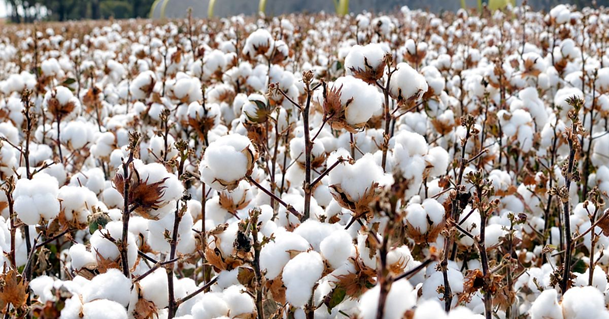
2027. Food commodity prices are expected to rise about 10% in 2026 and another
7% in 2027—a cumulative increase of 18%—as conflict disrupts grain shipments,
El Niño threatens harvests, and high fuel and fertilizer prices increase
agricultural costs. Overall commodity prices are forecast to rise 23% this year
before declining by 7% in 2027. The
forecasts assume no major intensification of conflicts affecting global
commodity supplies. However, energy prices could rise further if the conflict
in the Middle East escalates and damage to Russia’s oil infrastructure
persists. At the same time, higher-than-expected energy prices, attacks on
Black Sea grain shipments, and a very strong El Niño could combine to produce a
food crisis that pushes more people into extreme poverty, similar to the
situation during the early 2010s. In an adverse scenario in which these risks
materialize together, Brent could average $105 a barrel in 2027 and food
commodity prices could be 12% higher than expected in the baseline forecast,
surpassing their level in 2022. “Commodity
markets are being hit by several major shocks at once,” said Ayhan Kose, the
World Bank’s Deputy Chief Economist and Director of the Prospects Group.
“Higher energy costs and trade disruptions are driving up prices across a broad
range of commodities, threatening to worsen inflation, food insecurity, and
economic growth. The priority must be to protect the poorest people and support
low-income countries already struggling with heavy debt burdens.” To support countries as they manage the
fallout from higher prices, the World Bank Group has made $50 billion to $60
billion available through existing instruments, including $25 billion in
pre-arranged financing. This can support social safety nets for the most
vulnerable people, boost fiscal capacity, and provide working capital and
liquidity support for firms and farms. At the same time, the institution has
made substantial progress on accelerating and simplifying its ability to
mobilize private capital alongside its own financing and knowledge services. As
a result, the World Bank Group is well positioned to invest in the next
generation of youth in developing countries—most importantly, by improving the
conditions for job creation. The
conflict is forcing adjustments in how the world produces and consumes energy.
Global oil supply is projected to fall 5.2% in 2026—the largest drop in more
than four decades outside the 2020 global recession. Meanwhile, consumption is
expected to decline 2.5%, the third-largest annual contraction on record, after
2020 and 1980. High prices amid supply shortages are curbing demand, while
electrification is also reducing oil use, particularly in China. Even so,
production remains below consumption, forcing further withdrawals from oil stocks
and leaving markets more exposed to renewed disruption. Fertilizer prices are set to rise 14% in
2026, after a surge in urea prices early in the year that has since eased,
before returning to 2025 levels in 2027.
Metals prices are set to reach a new high in 2026, rising 25% as prices
of aluminum, copper, and tin all hit record highs. These gains reflect strong
demand from investments in renewable energy, electric vehicles, and data
centers, together with supply disruptions this year. Prices are expected to
decline by 3% in 2027. Precious metals prices are forecast to increase by 40%
in 2026 as demand for safe-haven assets remains elevated amid geopolitical and
policy uncertainty. They are expected to moderate somewhat in 2027 but remain
more than three times their 2015–19 average.
The report’s
special focus examines the interconnectedness of commodity markets, as in the
degree to which variation in one commodity’s price can be explained by shocks
to other commodity prices. It finds that links between commodity-price
volatility become more pronounced during periods of economic or market stress,
including since the start of the current conflict in the Middle East.
Industrial metals transmit the most volatility to other commodity groups on
average, although the role of oil prices rose markedly after the onset of the
Middle East conflict. Source: The
World Bank Group

Related News