Maersk Flags Logistics Disruptions across India, Middle East and Africa; Restructures West Africa Network
In its November
2026 India, Middle East and Africa (IMEA) market update, published on November
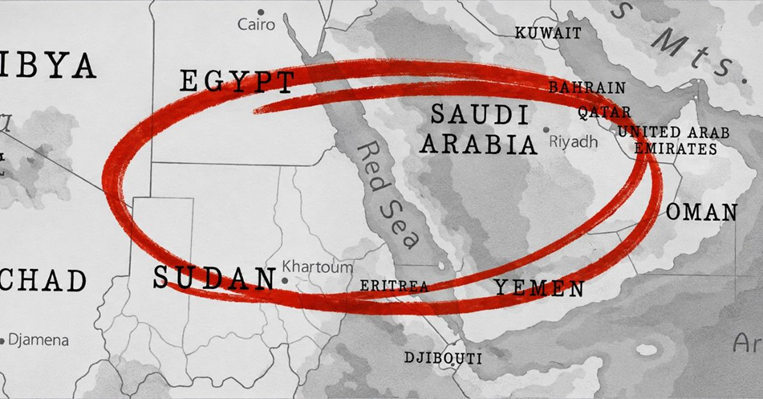
9, the Danish carrier highlighted uncertainty surrounding the Strait of Hormuz,
rising demand for Saudi Arabia’s inland transport corridors and seasonal
pressure on South Africa’s air cargo market.
The developments are prompting shippers and freight forwarders to
reassess transit times, port gateways and inland transportation arrangements as
supply chains adapt to changing operational conditions. Maersk confirmed that its ME1 Gemini
service is transitioning to a route through the Suez Canal, marking an
important adjustment to its shipping network connecting India, the Middle East
and Europe. The carrier said the
operating environment in the Middle East remains fluid, with separate
advisories continuing to apply to shipments involving the Strait of
Hormuz. The revised routing could
influence transit times, connecting services and cargo delivery schedules,
particularly for shipments involving multiple transport modes. Maersk is preparing a major restructuring
of its Western Mediterranean and West Africa network, scheduled to commence in
mid-December 2026. The revised network
is designed to reduce reliance on congested transshipment hubs, establish more
direct connections and increase capacity for cargo moving from Asia and the
Middle East into West African markets.
However, congestion at ports such as Abidjan, Tema and Conakry, together
with constraints in trucking capacity and equipment availability, continues to
affect inland cargo movements. Maersk
identified off-dock facilities, inland depots, rail connections and barge
services as alternative solutions to improve cargo evacuation and distribution,
wherever infrastructure permits.
Demand for Saudi Arabia’s Landbridge corridor increased during October
as disruptions associated with the Strait of Hormuz and changing operating
conditions at Khor Fakkan encouraged shippers to explore alternative transport
arrangements. The inland corridor is
emerging as an alternative for cargo entering Saudi Arabia and the wider Gulf
region. Maersk expects interest to remain strong through November. However, the carrier cautioned that
available transport capacity, customs formalities, border processing and
final-mile delivery arrangements must be verified before shipments are
committed to alternative routes. Air
freight connectivity across Saudi Arabia and the UAE continues to evolve as
airlines adjust schedules and available capacity. Jeddah and Dammam remain potential
gateways for Saudi-bound shipments, while Medina could provide additional
options depending on cargo acceptance and handling capabilities. Maersk advised customers to confirm airline
capacity and operational restrictions before dispatching time-sensitive
cargo. South Africa’s air freight
market is entering its seasonal peak, supported by retail demand, holiday
shipments and exports of perishable commodities. Port congestion could generate additional
demand for air imports, while summer flight capacity and agricultural exports
from Cape Town may create opportunities for cargo operators. Maersk also highlighted growing interest in
combined sea-air freight solutions, including connections through Mauritius and
domestic logistics links connecting Johannesburg, Durban and Cape Town. In Pakistan, pharmaceutical and healthcare
logistics are generating increasing demand for specialised
temperature-controlled transportation.
Following industry
discussions at Pharma Asia 2026, Maersk emphasised the importance of
specialised packaging, continuous temperature monitoring and shipment visibility
for vaccines, biologics and clinical trial materials. The carrier advised pharmaceutical shippers
to establish transportation requirements and delivery milestones well in
advance to secure suitable capacity and maintain cargo integrity throughout the
supply chain.
Related News