

Office Address
123/A, Miranda City Likaoli Prikano, Dope
Phone Number
+0989 7876 9865 9
+(090) 8765 86543 85
Email Address
info@example.com
example.mail@hum.com


123/A, Miranda City Likaoli Prikano, Dope
+0989 7876 9865 9
+(090) 8765 86543 85
info@example.com
example.mail@hum.com
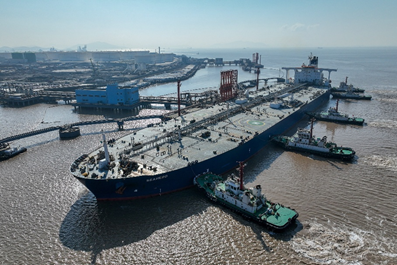
Oil prices climbed above US$100 a barrel on Sunday in futures trading,
reaching their highest levels since 2022 as the war in the Middle East, the
effective closure of the Strait of Hormuz and fresh production cuts among Gulf
producers tightened supply expectations. Reuters reported Brent rose as high as
US$111.04 a barrel while West Texas Intermediate (WTI) touched US$111.24 in
early trading. AP later put Brent at US$107.97 and WTI at US$106.22, both more
than 16% above the previous close.
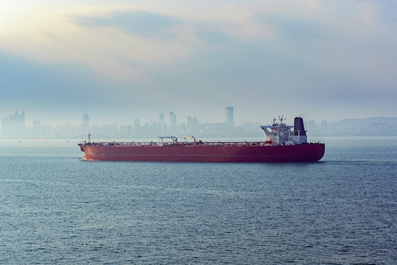
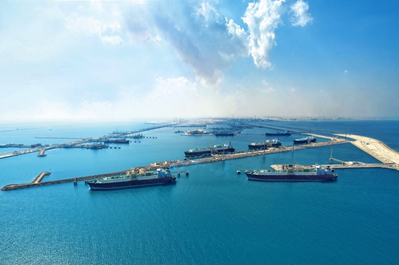
The Strait of Hormuz, between Iran and Oman, is one of the world’s most
critical energy chokepoints. About 20% of global oil flows through it, along
with a significant share of liquefied natural gas trade. The disruption to tanker traffic moved back to the
center of market attention as the war entered its second week and widened the
risk to Gulf ports, terminals and shipping lanes.
The supply impact is already visible across the region. Iraqi output
from its main southern fields fell by about 70%, to roughly 1.3 million barrels
per day from 4.3 million before the conflict, while exports also dropped
sharply. AP added that Kuwait
announced precautionary cuts to production and refining, while the United Arab
Emirates said it was carefully managing some offshore output because of storage
and shipping constraints.
The escalation has
also spread to energy infrastructure inside Iran. Reuters said the expanding
war had increased fears of prolonged supply disruption even if the conflict
were resolved quickly, because of damage already inflicted on facilities and
the higher risk to commercial shipping. That combination of tighter supply,
higher logistics costs and a larger geopolitical premium helped push crude
sharply higher.
U.S. President Donald Trump reacted to the oil rally with a Truth Social
post, saying it was “a very small price to pay” for “security and peace in
America and for the world.” The rise in crude prices has already started to
spill into broader energy markets and to reinforce inflation concerns in
importing economies.
For Argentina, oil
above US$100 a barrel would in principle improve crude export revenues, though
it also raises pressure on fuel prices and domestic energy costs. At the same
time, higher gas and fertilizer costs linked to the Gulf crisis are adding
strain to agricultural and logistics chains, a factor markets are also watching
as they assess how long tanker traffic through Hormuz may remain disrupted.