

Office Address
123/A, Miranda City Likaoli Prikano, Dope
Phone Number
+0989 7876 9865 9
+(090) 8765 86543 85
Email Address
info@example.com
example.mail@hum.com


123/A, Miranda City Likaoli Prikano, Dope
+0989 7876 9865 9
+(090) 8765 86543 85
info@example.com
example.mail@hum.com
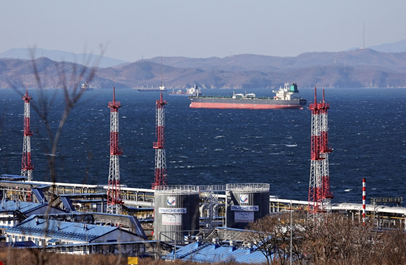
Appearing on multiple
TV talk shows, Energy Secretary Chris Wright and U.S. Ambassador to the United
Nations Mike Waltz said a waiver issued last week to allow
Indian purchases of Russian oil would alleviate pressure on the global
market.
“It’s a 30-day pause to allow, which is just
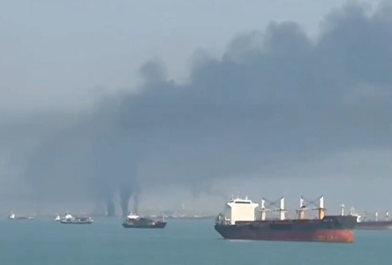
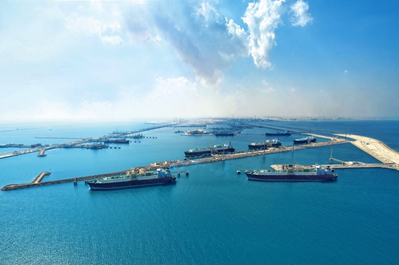
kind of common sense, to allow the millions and millions of barrels
of oil that are sitting out on ships to go to Indian refineries,”
Waltz said on NBC’s “Meet the Press.”
Wright told CNN’s “State of the Union” that the
waiver can help “tamp this fear of shortage of oil, tamp the price spikes
and the concerns we see in the marketplace.”
With the war now in its second week and no end in
sight, Americans are grappling with
higher prices at the pump, a
new complicating factor for the U.S. economy, which unexpectedly lost
92,000 jobs in February.
As of Friday, the
national average price for regular gasoline stood at $3.32 a ?gallon, up 11%
from the previous week and the highest since September 2024, according to data
from the motorists group AAA. Diesel was at $4.33, ?up 15% from a week ago,
surging to the highest level since November 2023.
“We believe this is a
small price to pay to get to a world where energy prices are returned back to
where they were,” Wright said on the “Fox News Sunday” program.
There is no shortage
of oil or natural gas, said Wright, who asserted that the price
increases are based on “fear and perception” that
the Iran operation will be a drawn-out affair.
“But it won’t be,”
Wright said, echoing President Donald Trump’s prediction that the war will
last weeks rather than months. Political analysts say a
persistent rise in gasoline prices could hurt Republicans in the November
midterm elections when control of the U.S. Congress will be at stake. A Reuters/Ipsos poll last month
found that most respondents rejected Trump’s characterization of the economy as
“booming.”