

Office Address
123/A, Miranda City Likaoli Prikano, Dope
Phone Number
+0989 7876 9865 9
+(090) 8765 86543 85
Email Address
info@example.com
example.mail@hum.com


123/A, Miranda City Likaoli Prikano, Dope
+0989 7876 9865 9
+(090) 8765 86543 85
info@example.com
example.mail@hum.com
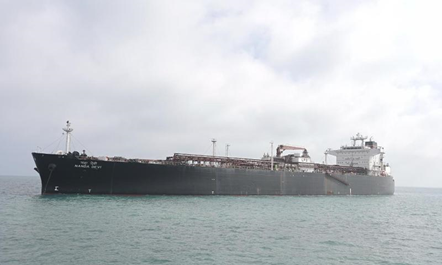
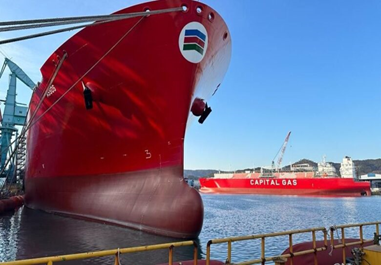
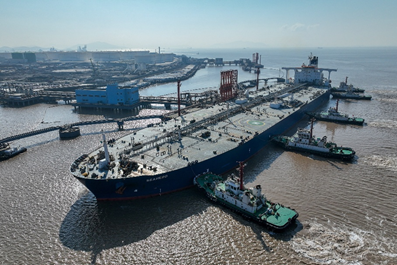
The vessel docked at Vadinar in Devbhumi Dwarka
district, where authorities have initiated preparations for a ship-to-ship
transfer of the cargo. According to officials, the LPG will be transferred to a
daughter vessel, BW Birch, which will subsequently transport portions of the
consignment to Ennore in Tamil Nadu and Haldia in West Bengal.
Deendayal
Port Authority Chairman Sushil Kumar Singh stated that the transfer operation
would proceed at a rate of approximately 1,000 tonnes per hour and is expected
to be completed within two days. He emphasized that the process is part of
standard operational protocol at Vadinar, but is currently being executed on
priority under directives from the Ministry of Ports.
Singh noted
that multiple agencies are closely monitoring all operational parameters to
ensure safety and efficiency. The daughter vessel is expected to berth
alongside Nanda Devi upon arrival, after which the transfer will begin.
“This is a routine operation for us, but given the current situation, we
have been instructed to expedite procedures without compromising safety,” Singh
said, adding that efforts are focused on eliminating bottlenecks and ensuring
swift cargo discharge.
The
development follows the safe arrival of India’s first LPG carrier, Shivalik, at
Mundra Port on Monday. Gujarat minister Jitu Vaghani attributed the safe
passage of the vessels through the Strait of Hormuz to India’s strong
diplomatic ties under Prime Minister Narendra Modi.
The backdrop to these developments is heightened
geopolitical tension in West Asia, including conflict involving Iran and
Israel, which has impacted key energy supply routes. The Strait of Hormuz, a
crucial transit corridor for global energy shipments, has faced disruptions,
affecting India’s energy imports.
India relies
heavily on imports to meet its energy demands, sourcing approximately 88% of
its crude oil, 50% of its natural gas, and 60% of its LPG requirements from
abroad. Prior to the recent escalation, a significant share of these imports
came from Middle Eastern countries such as Saudi Arabia and the UAE.
The ongoing crisis has forced India to diversify
crude sourcing, including increased imports from Russia, while gas supplies to
industrial users have been curtailed and LPG availability to commercial
establishments reduced.
Officials also confirmed that 22 Indian-flagged
vessels with 611 seafarers remain in the western Persian Gulf, with efforts
underway to ensure their safe passage amid the evolving security situation.