



Office Address
123/A, Miranda City Likaoli Prikano, Dope
Phone Number
+0989 7876 9865 9
+(090) 8765 86543 85
Email Address
info@example.com
example.mail@hum.com


123/A, Miranda City Likaoli Prikano, Dope
+0989 7876 9865 9
+(090) 8765 86543 85
info@example.com
example.mail@hum.com
By 09:23 ET (13:23 GMT), the benchmark Dutch
front-month contract at the TTF hub had climbed by 3.6% to 45.710 euros per
megawatt hour, according to data from the Intercontinental Exchange.
A
spokesperson for Iran’s Foreign Ministry has played down Trump’s perceived
rebuff of Tehran’s response, according to the Wall Street Journal. The
spokesperson, Esmail Baghaei, described iran as not “concerned with the
satisfaction of others,” the WSJ reported. Baghaei added that Iran would do
what is necessary to achieve its “national interests and legitimate rights,”
including through fighting or diplomacy “with goodwill and in a reasonable
manner.”
According to
Iranian state TV, Tehran issued a response to a U.S. plan to end their more
than two-month old conflict, focusing on concluding the fighting on all fronts
and demanding compensation for war damage.
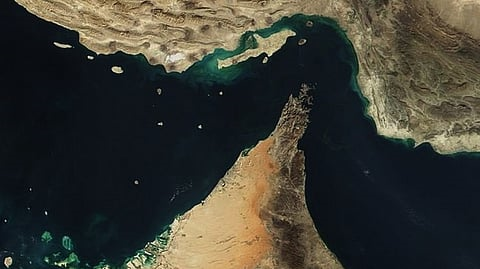
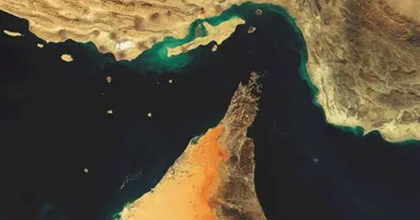
Iran also stressed that it controlled the Strait of Hormuz, a vital shipping
lane off the country’s southern coast through which roughly a fifth of the
world’s oil and natural gas flows. The strait has been all but shuttered during
the conflict, and is now blockaded by both the U.S. and Iran.
Speaking to
Iranian state broadcaster IRIB, Baghaei said Tehran was open to to putting off
decisions on its nuclear program until “the time is right” in order to secure
an “urgent” end to the war. Writing on
social media within hours after Iran appeared to make its counteroffer, President
Trump said: “I don’t like it — TOTALLY UNACCEPTABLE.” No further details were
provided.
The U.S. has
proposed bringing the war to a swift end, followed by more detailed
negotiations on key issues, especially Iran’s nuclear ambitions.
Along with issues in the Strait of Hormuz, European
natural gas prices have been impacted by recent attacks on a major production
facility in Qatar. Many European countries use natural gas exported from this
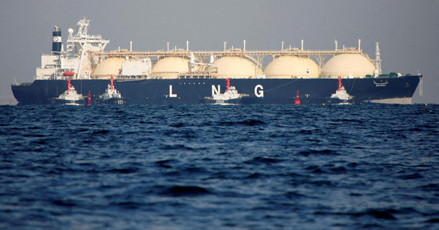
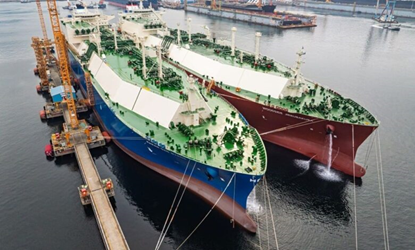
site. Qatar has only just shipped
its first cargo of liquefied natural-gas through the Strait of Hormuz since the
outset of the war, with the vessel bound for Pakistan, while talks are ongoing
around allowing other LNG cargoes to transit the waterway. A second Qatari LNG
vessel has also traversed the strait, Reuters reported.
Elsewhere,
Trump is due to travel to China this week for a much-awaited meeting with
Chinese counterpart Xi Jinping. Crucially, Beijing is a major importer of
Iranian energy.
“While
optimism for an imminent deal is fading, there remains a glimmer of hope that
talks between Trump and Chinese President Xi later this week could yield
positive results on Iran,” analysts at ING said. “The hope is that China can use its influence
over Iran to push it closer towards a peace deal. Clearly, this is easier said
than done.”