


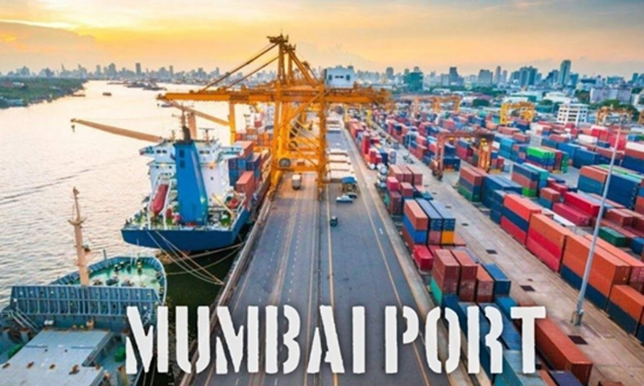
Mumbai Port mulls new oil jetties, specialised cargo terminals: Angamuthu
“Based on an
internal study on potential areas for expansion, we are examining the
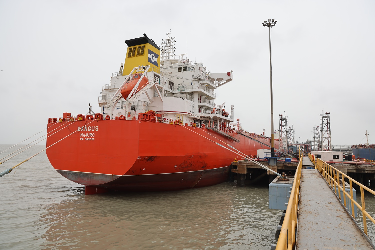
feasibility of augmenting our petroleum, oil and lubricants infrastructure to
handle incremental refinery output from BPCL, HPCL and upcoming refinery
expansions in Maharashtra,” MbPA
Chairperson Angamuthu said. The Authority would adopt a collaborative
approach with various stakeholders in the proposed expansion plans. POL cargo remains the backbone of Mumbai
Port, accounting for nearly three-fifths of its overall traffic. Vessel-borne
crude-oil volumes increased 52 per cent to 26.24 million metric tonnes (MMT) in
2025-26 from 17.22 MMT in 2011-12. A 10 per cent increase in vessel-borne POL
cargo could add about 4.5 MMT to the port’s annual throughput. “Mumbai has tremendous potential to promote
LNG bunkering due to its proximity to the maritime route connecting mid-east to
far-east. Since the propensity for LNG conversion is more visible in container
ships and with JNPA in its backyard, Jawahar Dweep is most suited to act as the
future LNG bunker hub’’ Angamuthu said.
Automobile Hub: Mumbai Port has a state-of-the-art facility for handling
Roll-on/Roll-off Vessels, and during FY: 2025-26, the Port handled about 0.81
lakhs EXIM automobiles. Mumbai Port’s proximity to the Auto Major OEMs within
the State, as well as the road and rail connectivity to the
automobile-manufacturing clusters of Pune, Chakan and Sanand, offers a
locational advantage.
The cargo basket
itself is changing in step with the economy it serves. In a recent roll-on,
roll-off call, we discharged 861 heavy-duty electric trucks from the MV GRANDE
SHANGHAI in a single operation, an early and concrete sign that the vehicles,
machinery, and equipment of the energy transition will increasingly move through
our berths. It is worth noticing what this represents: a green-mobility
consignment of this kind was, a few years ago, not part of an Indian port’s
cargo profile at all. The composition of what we handle is not merely the
tonnage, it is being reshaped by where the economy is going. The Port is actively considering creating
a storage facility within its Docks to accommodate about one lakh automobiles,
which shall further increase the Port’s capacity to handle EXIM automobiles.
With Auto Majors setting up plants at Aurangabad, Mumbai Port shall be the
automatic choice for shipment of their EXIM automobiles.
Cement Hub: Mumbai Port is also envisaging the creation of facilities for
Cement Silos to store Domestic Cement received in Railway Wagons. This shall
create the capacity to handle 2.0 MMT of Cement for distribution throughout
Mumbai for construction purposes, etc. “The
Ministry of Ports, Shipping and Waterways is in the process of finalising the
Coastal Cargo Promotion Scheme, there is ample scope for Mumbai Port to handle
Domestic Automobiles, too. Compared to road haulage, these waterborne modes
generate only a fraction of the emissions per tonne-kilometre, making them a
cornerstone of sustainable and low-carbon freight transportation,’’ the MbPA
Chairperson said.
“Mumbai Port has handled an all-time high of 75.15 MMT in 2025-26, compared
with 53.32 MMT in 2020-21. This represents a compound annual growth rate of
about 7 per cent over 5 years.
Related News