



US-Iran attacks resume
US Central Command
said Iran launched multiple ballistic missiles in a surprise attack on American
forces on Tuesday,(28 July) with all projectiles intercepted. Jordan said its
air defences destroyed five Iranian missiles. US and Saudi forces struck
logistics and weapons sites used by Iran-backed groups in eastern Iraq after
more than 30 drone attacks in 72 hours.
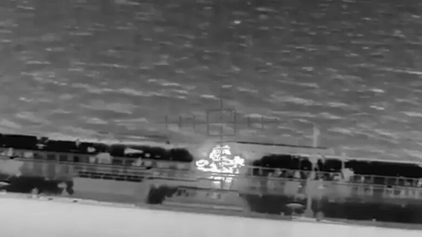
At sea, Iran’s Islamic Revolutionary Guard Corps claimed it had hit and
stopped three oil tankers in Hormuz after the vessels ignored warnings and used
what Tehran described as an unsafe route. The ships were not identified and
there was no independent confirmation of damage or casualties. The escalation leaves owners navigating a
militarised chokepoint and competing American and Iranian instructions.
Washington resumed its blockade of traffic serving Iranian ports on July 14 and
has been redirecting or disabling non-compliant vessels, while Iran insists
ships use a route closer to its coast. The internationally recognised traffic
lanes are effectively unusable because of mine risk.
Oman is attempting to break the deadlock with a
Gulf-backed proposal for joint regional management of the strait. Modelled
partly on the Strait of Malacca, the plan would establish voluntary payments by
shipping companies to support navigation aids, environmental protection and search
and rescue.
Tehran has rejected
any system that would deny it effective oversight. Deputy foreign minister
Kazem Gharibabadi said Oman had floated a 50-50 arrangement, with inbound and
outbound traffic divided between the two sides. Iran instead wants one shipping
lane placed entirely within its territorial waters and part of the second lane
also under its jurisdiction, arguing that this is necessary for national
security.

Related News