Trump extends controversial Jones Act waiver to mid-November
A statement from
the White House said: “Today, the Trump Administration issued a 90-day
extension to the Jones Act waiver to ensure our military and key industries
maintain uninterrupted access to critical resources.” This action was not a
complete surprise; last week saw information leakages in the news media hinting
that the waiver would be extended.Importantly, movements under the waiver,
which had covered petroleum related materials, along with liquid fertilizer,
will be narrowed. According to information emerging the waiver would, the White
House said that this time, it was taking an approach which would limit its
application to certain commodities, including gasoline, diesel, crude oil,
petrochemicals, natural gas and fertilizer.Also, mindful of criticism that previous
movements under the waiver were driven by commercial concerns, such as
supplying oil products to the US West Coast, notably refinery-starved
California, the Administration says that this iteration of the waiver would
require consultations between the US Department of War and the US Maritime
Administration on a voyage-by-voyage basis.The
White House, though sensitive to the loud voices of pro-Jones Act interests led
by the American Maritime Partnership (AMP), which includes shipyards and numerous
domestic maritime related groups, has also been listening to free market
groups. The White House statement had continued: “Data shows the waiver has
driven a significant increase in domestic deliveries of essential products such
as gasoline, diesel, and jet fuel. President Trump continues to take bold,
commonsense action that protects and strengthens America’s economic and
national security”.The AMP’s President, Jennifer Carpenter, asserted its strong
opposition to the news of the extension, posting on social media:
"President Trump’s decision to require a case-by-case review before
allowing foreign vessels to carry domestic maritime commerce is an improvement
over the previous blanket Jones Act waiver, which took work from American
mariners and shipbuilders and froze investment in the maritime industrial
base.”
The conciliatory tone did not continue,
as the AMP post notes further: “However, we are disappointed that the waiver
has been extended when the public record is clear: the waiver has not lowered
fuel prices for American consumers and has been used to increase oil traders’
margins, not meet military needs. AMP urges the Trump Administration to conduct
a rigorous review of the national defense justification for each and every
waiver request and to carefully assess the availability of US vessels before
allowing a foreign vessel to move cargo between US ports. AMP also underscores
the importance of ensuring that any foreign vessel granted a waiver to meet a
genuine national defense need for which a US vessel is not available complies
fully with all other applicable US law, including tax, immigration, labor, etc.
This is essential to putting American workers and taxpayers first.”
There have been
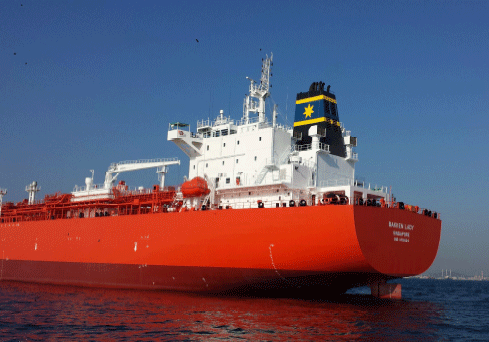
instances of Chinese vessels hauling cargoes that would previously have been
moved on Jones Act qualified vessels - US built, crewed, and owned. Very
likely, the new scrutiny of vessels moving cargo under the waiver extension
will look closely at nationalities of ownership, and crewing.On the other side
of the channel, encompassing those supporting the waiver, the American
Petroleum Institute (API), which represents more than 600 entities, including
the large oil majors, but also many intermediaries and service providers,
posted on social media: “API applauds the administration’s leadership in
extending the Jones Act waivers, a critical action that will strengthen supply
security and help protect consumers from unnecessary price
volatility.”GasBuddy, a website tracking retail petrol prices, which came on
the scene, with significant media attention, after the commencement of the Iran
war, posted: “the Jones Act waiver has seen more domestic crude oil and refined
products move between US ports and is helping to soften the blow of the Strait
being disrupted.”

Related News