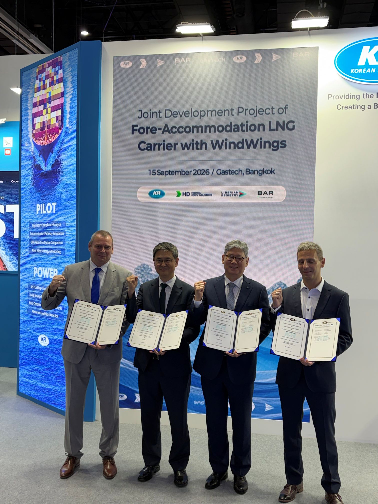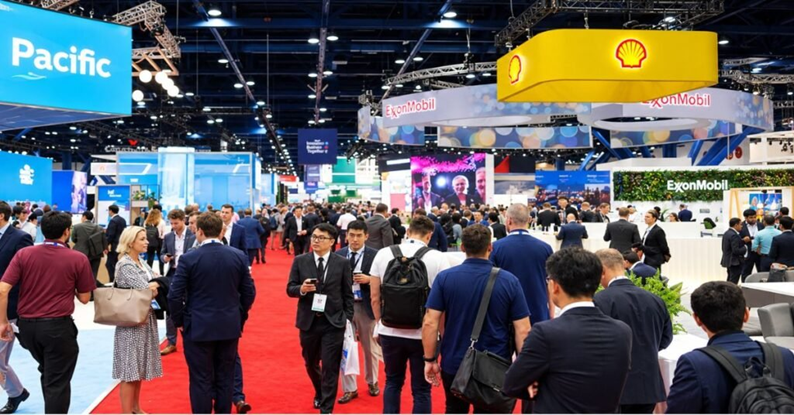
Gastech 2026 in Bangkok Converts Global Energy Ambition into $40 Billion in Deals
China Gas Holdings
and Venture Global LNG signed a landmark 20-year sales and purchase agreement
for 0.5 million tonnes per annum of US LNG starting in 2030, strengthening
supply security for one of the world’s largest energy markets. GE Vernova and
B.Grimm Power signed agreements for natural gas turbine supply and long-term
services supporting power generation capacity in Malaysia and Thailand.
PETRONAS, PTTEP JDA and the Malaysia-Thailand Joint Authority formalised a 35-year
production-sharing contract and natural gas sales agreement in the
Malaysia-Thailand Joint Development Area, while Eni signed a memorandum of
understanding with the Government of Senegal to assess oil potential across
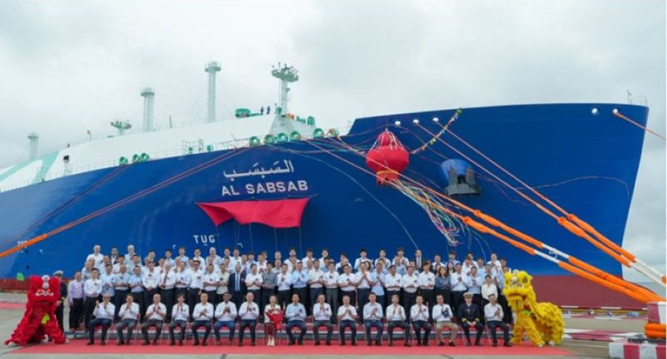
five offshore blocks. Samsung Heavy
Industries secured a $1.2 billion order for LNG carriers and crude oil tankers,
adding to the global fleet capacity needed to sustain energy trade. Sarawak
also finalised discussions with Indorama Ventures and Japanese partners on an
estimated $1 billion downstream natural gas and petrochemicals investment in
Bintulu, aimed at strengthening local industrial capacity. Separately, YPF CEO
Horacio Marín announced plans to sign two or three LNG sales agreements for the
company’s proposed Argentina LNG export project. Alongside the commercial announcements,
Gastech’s Strategic Conference examined the policy, infrastructure and delivery
strategies needed to scale energy systems to meet rising global demand. A ministerial
session titled “Africa Takes Power: Control, Sovereignty and Growth” explored
how African nations can convert energy resources into industrial growth.
Zimbabwe’s Deputy Minister for Energy and Power Development, Yeukai
Simbanegavi, said the country has discovered oil in its northern region and is
working with investors to upgrade its national grid to support future energy
investment. During a session on natural
gas infrastructure, Bechtel Energy President Paul Marsden said predictability
is becoming increasingly important in developing large capital infrastructure
projects, stressing that investors need clarity on where and when gas molecules
will be produced to commit capital confidently. The session “Advancing Sustainable Maritime
Infrastructure and Fleet Capacity” addressed how the maritime sector can expand
ships, ports and logistics systems to support reliable international energy
trade. Hanwha Shipping CEO James Sagar said shipping is a long-term investment
that should be grounded in discipline, noting that maintaining asset value over
20 to 30 years requires financing that engages both supply and demand sides,
alongside ensuring the right technology remains in place throughout a vessel’s
operational life. A separate session on methane abatement across natural
gas supply chains examined how stronger measurement standards and technology
deployment could reduce emissions. Nigeria LNG Managing Director and CEO
Adeleye Falade said every tonne of methane represents a lost opportunity, both
in volume and value terms, adding that the business case for abatement becomes
clear once accurate measurement is achieved.
With one day of the event
remaining, Gastech 2026 continues to demonstrate how commercial partnerships
and strategic collaboration are advancing in parallel to address the world’s
growing and increasingly complex energy needs. The agreements concluded in
Bangkok, spanning LNG supply, power generation, upstream development,
petrochemicals and shipping capacity, are expected to shape how the energy and
maritime sectors respond to rising global demand in the years ahead.
Related News