



India Retains Coastal Trade Relaxations for Foreign Ships
The relaxations cover cargo
categories including EXIM laden containers meant for transshipment, empty
containers for repositioning, agricultural and horticultural products, and
fertilisers. These exemptions were originally introduced through general orders
issued in 2018. The government had
earlier sought to withdraw the concessions to strengthen the Indian-flagged
fleet and encourage greater investment in domestic shipping. However, the
latest policy reversal means Indian shipping companies will continue to compete
with major foreign carriers operating along coastal routes. Industry stakeholders have highlighted the
importance of maintaining competitive freight rates and reliable coastal
capacity, while the continued presence of foreign vessels could help support
transshipment operations, container availability and domestic cargo
movement. The decision is particularly
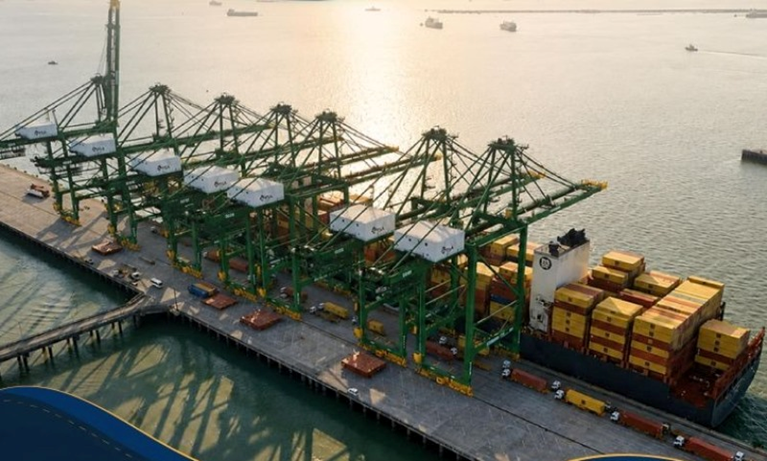
significant for India’s emerging transshipment hubs, including Vizhinjam, where
foreign-flagged feeder operations have played an important role in connecting
the port with other Indian locations.
Related News