Iran Offers Seven-Day Plan to Reopen Strait of Hormuz amid US Diplomatic Push
Speaking to
reporters on the sidelines of the UN General Assembly in New York, Araghchi
said the strait could be reopened and normal passage restored within seven days
if Washington meets the conditions set out in a memorandum of understanding
(MoU) agreed between the two countries in June. “If the necessary conditions are met, the
strait can be reopened, a normal maritime passage restored within seven days.
The choice now rests with the United States,” Araghchi said. He did not detail
all of Tehran’s demands, but said the required US actions were not new and were
already contained in the June MoU. The agreement had provided for a cessation
of military operations, the lifting of the US naval blockade of Iranian ports,
measures to facilitate commercial shipping through Hormuz and further
negotiations over Iran’s nuclear programme.
Iran’s latest proposal was reportedly conveyed to Washington through
mediators. A US official said positive discussions were taking place through
intermediaries, including on nuclear issues.
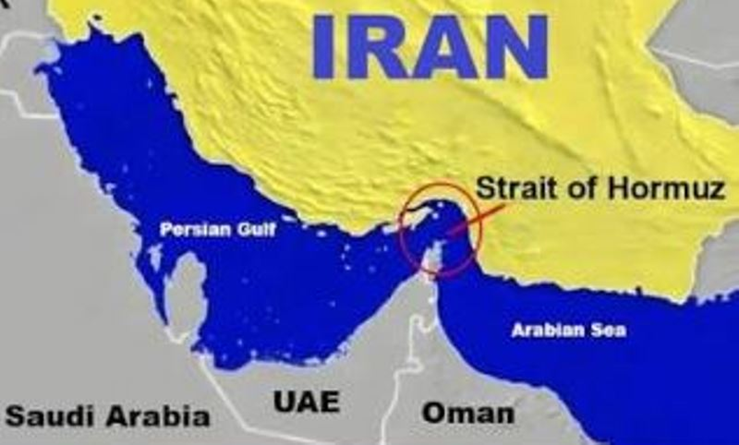
The Strait of Hormuz has remained a major flashpoint since the conflict
escalated. Iran has attacked vessels it says attempted to transit the waterway
without authorisation, while the United States has carried out strikes on
Iranian positions and maintained pressure on Iranian maritime and oil
infrastructure. The disruption has had
significant consequences for global energy and shipping markets. The Strait of
Hormuz is a critical route for international oil and LNG shipments, and restrictions
on traffic have contributed to sharp volatility in energy prices. The latest diplomatic initiative comes amid
heightened pressure for a settlement. US President Donald Trump has publicly
threatened further military action against Iran while also indicating that he
expects negotiations to resume following the US congressional elections. Araghchi rejected negotiations under threat,
saying Iran would not accept “coercion, threats or intimidation” and that
“peace cannot be built through threats of annihilation.”
For the shipping
industry, any agreement that restores unrestricted and predictable navigation
through Hormuz would have significant implications for vessel movements, energy
supplies, freight markets and global trade flows. The proposed seven-day
timeline, however, remains conditional on agreement between Washington and
Tehran.

Related News