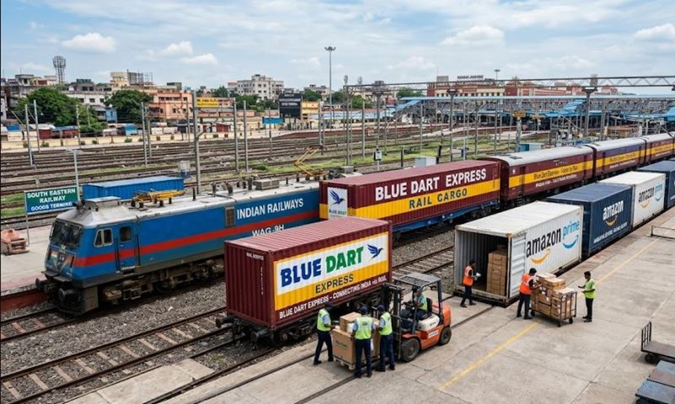
Blue Dart, Amazon Turn to Rail to Improve Delivery Speed
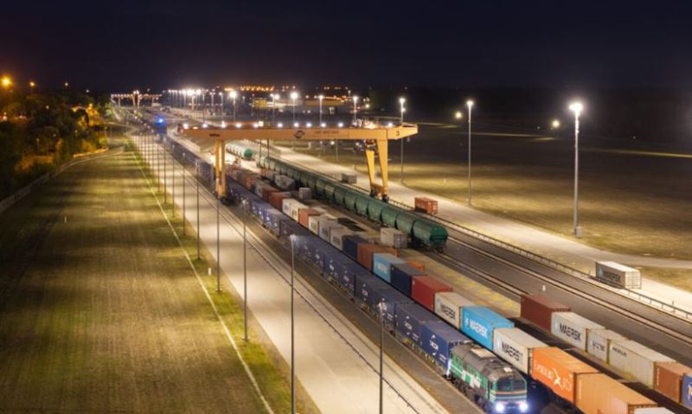
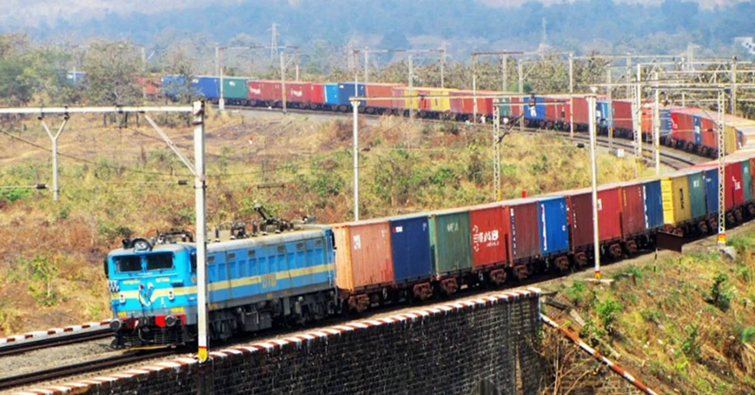
Rail freight offers
logistics operators an alternative to road and air transport, particularly for
moving large volumes of parcels between major cities and regional distribution
hubs. By shifting suitable shipments to rail, companies can potentially reduce
transit-time variability, ease pressure on road networks and improve the
movement of parcels over longer distances.
For e-commerce operators, efficient line-haul transportation is
essential to connecting fulfilment centres, sorting hubs and last-mile delivery
networks. Rail can support scheduled bulk movement between key locations, while
road transport remains important for collection and final delivery. The approach also offers potential cost and
environmental benefits. Consolidating shipments onto trains can reduce reliance
on individual road movements and may lower emissions per parcel, depending on
route utilisation, handling requirements and the transport alternatives being
replaced.
The growing use of
rail highlights a broader trend towards integrated logistics networks in India,
where road, rail and air services are combined according to shipment urgency,
volume and destination. However, the
effectiveness of rail-based parcel delivery depends on train frequency,
terminal access, cargo-handling efficiency and coordination between transport
modes. Further expansion will require reliable schedules and seamless transfers
between rail terminals and distribution centres.

Related News