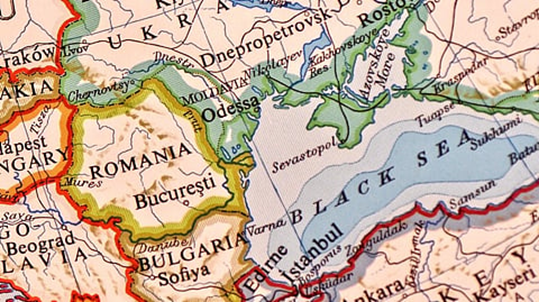
Deadly drone strikes on ships trigger NATO deployment to Black Sea
The announcement came after NATO's main decision-making body, the North
Atlantic Council, discussed security in the Black Sea at the alliance's
Brussels headquarters. In addition to
the aircraft, drones and radar systems, NATO members have sent or will send
intelligence agents and teams to conduct forensic analysis of explosives, said
US Army Colonel Martin Martin L. O'Donnell, a NATO military spokesperson. NATO has not attributed the recent spate
of attacks to any country. Military analysts have said Russia almost certainly
carried out the attacks but Moscow has not acknowledged responsibility for
them. Last week, seven
sailors were reported missing after drones struck two chemical tankers near
Romania's Black Sea coast, setting them ablaze and raising fresh security
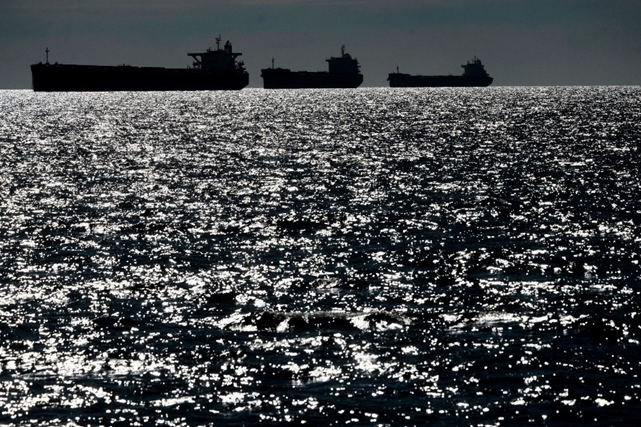
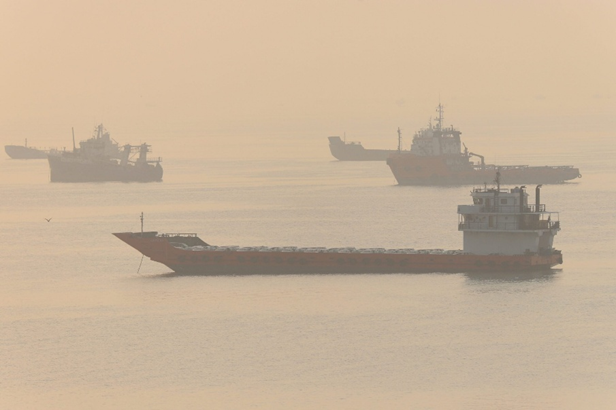
concerns along a vital shipping route used by Ukraine. At least five other cargo vessels were hit
near the coasts of Romania and neighbouring NATO member Bulgaria over the
previous 10 days, with at least 23 sailors reported missing or dead. "NATO has already strengthened our
posture along the eastern flank, including with counter-drone capabilities,"
Allison Hart, NATO's principal spokesperson, said in a post on social
media.
"We will continue to stand
united and ensure that we are ready and able to address any threat and to keep
our one billion people safe"
Related News