DP World Seeks Permanent NSICT Terminal Rights Through JV Proposal
The proposal comes
as the port authority prepares to consider the terminal’s future amid questions
over whether a fresh global tender is legally necessary. Under the proposed model, JNPA would
retain ownership of the port infrastructure while partnering with a private
operator through a long-term joint venture. The arrangement would allow the
operator to invest in terminal upgrades and technology, with performance
assessed against agreed key performance indicators. DP World argues that such
partnerships could provide greater certainty for long-term investment than
fixed-term concessions followed by competitive bidding. However, port industry experts and
officials have raised concerns about the legal and commercial implications of
granting a private operator indefinite rights over a public port facility. They
argue that the existing concession agreement does not permit an extension
beyond its stipulated term without a fresh tender, making the proposed
arrangement potentially contentious.
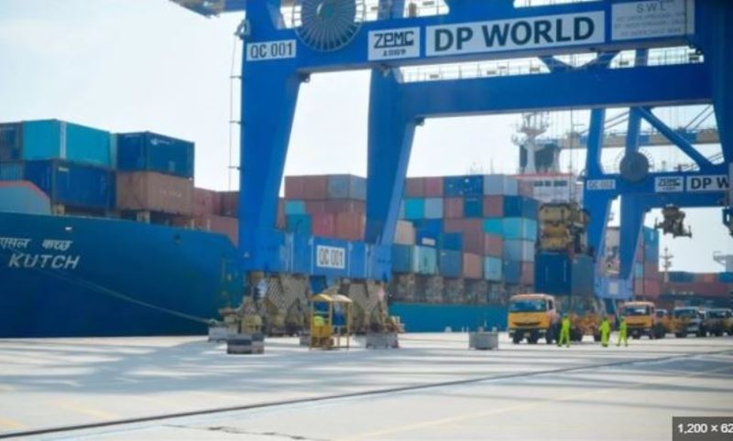
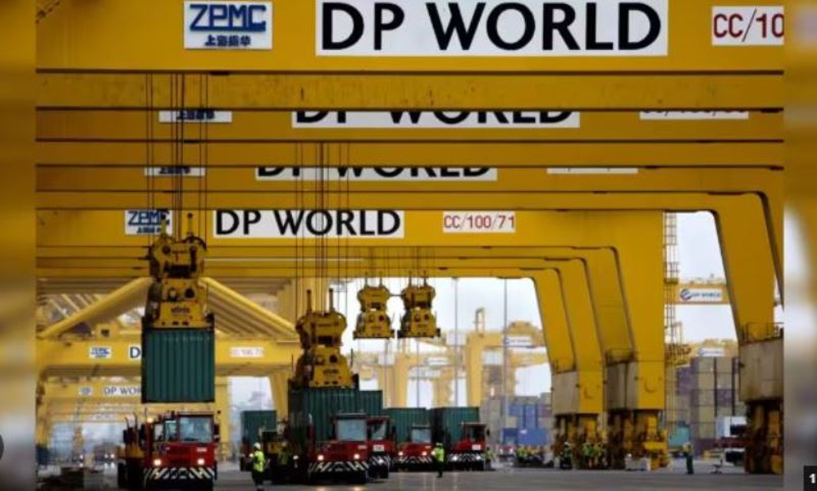
NSICT, India’s first privately operated container terminal, was
originally awarded to P&O Ports in 1997 and commissioned in 1999. DP World
acquired the facility through its takeover of P&O Ports in 2006. The
terminal has a design capacity of approximately 1.2 million TEUs annually and
handles container cargo at one of India’s busiest ports. A separate option under discussion is the
use of a Right of First Refusal (ROFR) clause, which would allow the existing
operator to match the highest bid in a new tender. However, experts have
questioned whether such a provision can be introduced when it was not included
in the original concession agreement.
The debate also concerns the revenue JNPA could earn from the terminal.
A competitive tender could attract multiple operators and help the port
authority secure market-based royalty payments. Industry sources argue that the
terminal’s established cargo base could make it attractive to prospective
bidders.
DP World’s proposal
comes amid broader discussions on port-sector investment models and the need to
balance private-sector investment incentives with transparent allocation of
public infrastructure. The final decision will determine how NSICT is operated
after its current concession expires and could influence the approach taken for
other port terminals approaching the end of their concession periods.
Related News