



Higher rates drive profit growth for CMA CGM’s shipping business
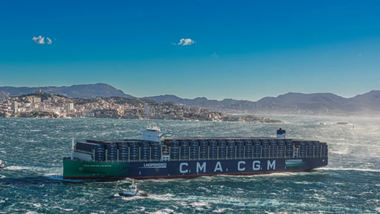
CMA CGM operates the world’s third largest container line and said
it transported 6.3 million teu in Q2 2026 up 6% on the same period in 2025 and
it said improved volumes were driven by strong demand and market environment of
continued uncertainty. The average freight rate was up 15.1% year-on-year at
$1,575 per teu.
“Combined with sustained freight rates, this performance offset
the additional costs generated by the conflict in the Middle East, including
those related to the immobilization of certain vessels, higher insurance
premiums, and lower volumes on services calling at the region,” CMA CGM said.
Despite the
continued growth of the container shipping fleet that had been putting pressure
on the demand supply balance earlier in the year freight markets rebounded in
the second quarter as shippers front loaded shipments in expectation of
increased lead times caused by supply chain disruption leading to an early peak
season.
In addition to container shipping CMA CGM’s business includes Ceva
Logistics, air cargo and terminals and for the group as a whole the company a
second quarter EBITDA of $2.99 billion in Q2 2026 up 31% year-on-year. Revenues
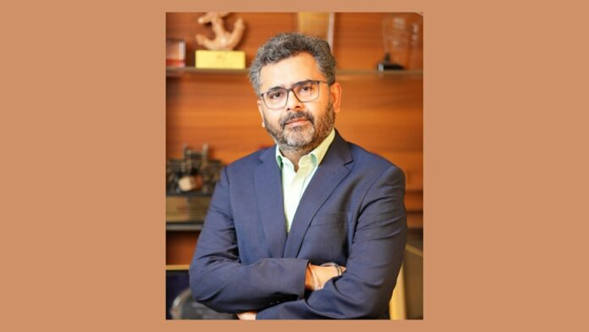
were up 19.2% year-on-year at $15.69 billion in the second quarter of 2026. Commenting on the result Rodolphe Saadé,
Chairman and Chief Executive Officer of the CMA CGM Group, said: “Against a
backdrop of continued geopolitical instability, the Group delivered solid
results in the second quarter of 2026, driven by the performance of our
shipping activities, the growth of our terminals and air cargo businesses, and
the complementary strengths of our logistics operations. This performance
reflects our strategy of expanding in key markets and investing in strategic
assets.”
Looking ahead the
company said: “The geopolitical environment remains marked by significant
uncertainties. Ongoing tensions in the Middle East continue to disrupt maritime
routes and impact market conditions, particularly freight rates and operating
costs.”

Related News