CWC and Andhra Pradesh Maritime Board sign pact for port-linked logistics parks/
The agreement focuses on how
goods move between inland production centres, warehouses and ports. Multimodal
logistics parks can give shippers a place to consolidate cargo, store it and
transfer it between road and rail where both modes are available. At a
port-linked facility, exporters can group smaller consignments before dispatch,
while importers can consolidate onward deliveries from the gateway. The
partners have yet to identify park locations, transport links, handling
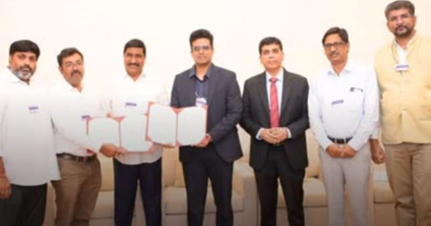
capacities, investment commitments or construction schedules. Sandeep Kumar Reddy Dodla, CWC’s regional
manager for Amaravati, and Praveen Adhithya C. V., chief executive officer of
APMB, signed the agreement. Andhra Pradesh minister B. C. Janardhan Reddy, APMB
Chairman DamacharlaSatyanarayana and CWC Executive Director B. Nirmal attended
the signing. The agreement fits into
Andhra Pradesh’s wider effort to link port development with industrial growth.
The state’s Industrial Development Policy for 2024–29 calls for logistics
facilities that can hold imported and domestically sourced raw materials closer
to manufacturers. It also prioritises road connections between freight rail
corridors and existing and upcoming seaports. Those links matter to
manufacturers because the cost and reliability of the inland leg help determine
which port they use.
Visakhapatnam, Gangavaram and
Krishnapatnam are among the state’s established maritime gateways. At the same
summit, Union Minister for Ports, Shipping and Waterways SarbanandaSonowal said
Visakhapatnam Port handled a record 91.17 million tonnes of cargo in financial
year 2025–26, up about 10% from the previous year. The CWC–APMB announcement
gave no indication of which gateways the proposed parks would serve.
Related News