



Pinglu Canal opening set to boost China – Asean trade
These two key deliverables establish a
complete maritime safety system covering chart services and channel navigation
markers, clearing the path for the waterway’s official inauguration on 16
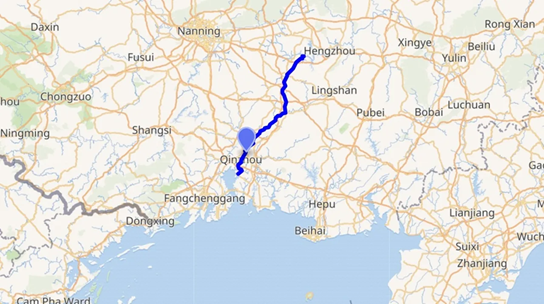
September. The 134.2-kilometre Pinglu
Canal represents China’s first nationally planned river-to-sea canal since
1949. Serving as the core backbone of the New International Land-Sea Trade
Corridor, the waterway connects the Xijiang River inland shipping network with
the Beibu Gulf in Guangxi Zhuang Autonomous Region, with designed navigability
for vessels of up to 5,000 metric tons.
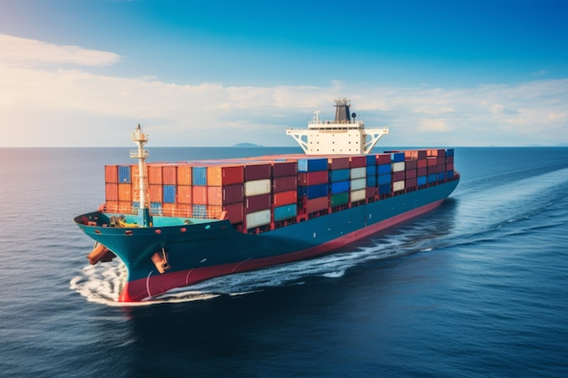
Upon official commissioning, the landmark infrastructure will cut the
traditional shipping distance between southwest China and Asean markets by 560
kilometres, reducing regional logistics costs by 18% to 30%. The canal breaks long-standing
geographical bottlenecks restricting river-sea intermodal connectivity in
Guangxi, poised to reshape the spatial pattern of trade and economic
cooperation between China and Asen countries. Located at the southern end of the canal, Beibu Gulf Port has grown
into a critical gateway for China-Asean trade. Its container throughput has
achieved explosive growth, surging from 2.28 million teu in 2017 to 10 million
teu in 2025, supported by a mature shipping network radiating major Asean hub
ports. Backed by robust industrial and trade ties, China and Asean have
retained their status as each other’s largest trading partners for six
consecutive years. At the regional level, Asean has remained Guangxi’s top
trading partner for 26 straight years.
In the first half of 2026, total China-Asean trade volume hit RMB4.34
trillion ($640 billion), registering an 18.2% year-on-year increase.
Related News